


Table of Contents
- What to Look for in Weatherproof Urban Gear
- Quick Comparison: Weatherproof Urban Gear for Cold Climates
- How to Layer for Urban Winter Commuting
- Jacket Reviews: From Shells to Parkas
- Accessories and Layering Pieces That Complete the Kit
- Maintaining High-Quality Statement Pieces
- Frequently Asked Questions
Last Updated: September 25, 2026
What to Look for in Weatherproof Urban Gear
Cold-climate commuting punishes gear in ways a mountain weekend never does. Slush soaks hems, road salt eats stitching, and a subway platform can swing thirty degrees between the street and the car. This guide from Planet iZM breaks down what actually holds up when weatherproof urban gear meets a real winter commute. We provide exclusive access to premium, sci-fi-themed statement pieces and inspirational apparel designs that seamlessly blend futuristic elements with modern urban fashion. We provide exclusive access to premium, sci-fi-themed statement pieces and inspirational apparel designs that seamlessly blend futuristic elements with modern urban fashion.

The first thing to understand is that city winter is a moisture problem disguised as a temperature problem.
Waterproof Ratings and Breathability Explained
A waterproof rating is the millimeters of water pressure a fabric can hold before it leaks, and a breathability rating is how many grams of vapor escape per square meter in 24 hours. The two numbers fight each other, so the smart move is matching them to your commute rather than chasing the highest figure.
For reference, a jacket rated 5,000 mm handles steady rain, while 8,000 mm shrugs off a downpour plus a heavy backpack strap pressing water into the shoulder. Breathability matters just as much. Anything under 1,000 G/M² traps sweat on a brisk walk, and damp insulation loses most of its warmth.
Look for durable water repellent finishes and seam-sealed construction.
Traction, Grip, and Salt Resistance on City Streets
Traction is where urban winter gear separates from trail gear. City ice forms in thin, polished sheets on crosswalk paint and subway grates, not the deep packed snow a lugged hiking sole is built for.
Quick Comparison: Weatherproof Urban Gear for Cold Climates
The table below lines up every jacket in this review by waterproof rating, breathability, price, and best use, so you can match a shell to your commute before reading the full breakdowns.
| Jacket | Waterproof | Breathability | Price | Best For |
|---|---|---|---|---|
| Color-Blocked Hard-Shell | Water-repellent shell | Breathable fabric | $71.99 | Daily commuting, style |
| Waterproof Nylon Anorak | 10,000 mm | 5,000 G/M² | $89.99 | Heavy rain, wind |
| Unmatched Kharizma Parka | 8,000 mm | 5,000 G/M² | $120.00 | Deep cold, layering |
| Torrent Waterproof Jacket | 5,000 mm | 1,000 G/M² | $89.99 | Packable rain cover |
| Hooded Windbreaker | 1,500 mm | Lightweight shell | $58.99 | Light rain, mild days |
| Reversible Fleece Hooded | Water-resistant | Fleece-lined | $73.99 | Dry cold, versatility |
| Lightweight Bomber | 600 mm | Single layer | $69.99 | Dry days, layering |
How to Layer for Urban Winter Commuting
Layering for urban winter commuting means building three adjustable layers you can add or shed as you move between cold streets and heated transit. The goal is climate control you can change in seconds, not one heavy coat you're stuck with all day.

Base, Mid, and Shell: The Three-Layer System
The layering system works because each layer does one job. A moisture-wicking base moves sweat off your skin. A mid layer traps heat retention with fleece or down. A shell blocks wind and rain while letting vapor escape.
- Base layer: Thin synthetic or wool. Cotton is the enemy here, because it holds sweat and chills you when you stop moving.
- Mid layer: Fleece, a fleece-lined hoodie, or a lightweight puffer. This is your warmth dial.
- Shell: A windproof, water-resistant outer layer with taped seams and a hood.
- Accessories: A beanie, gloves, and a scarf cover the extremities where most heat escapes.
Jacket Reviews: From Shells to Parkas
Every jacket below earns its place through a different strength, and the honest pick depends on whether your winter is wet, dry, or a rotating mix of both.

Color-Blocked Hard-Shell Outdoor Jackets
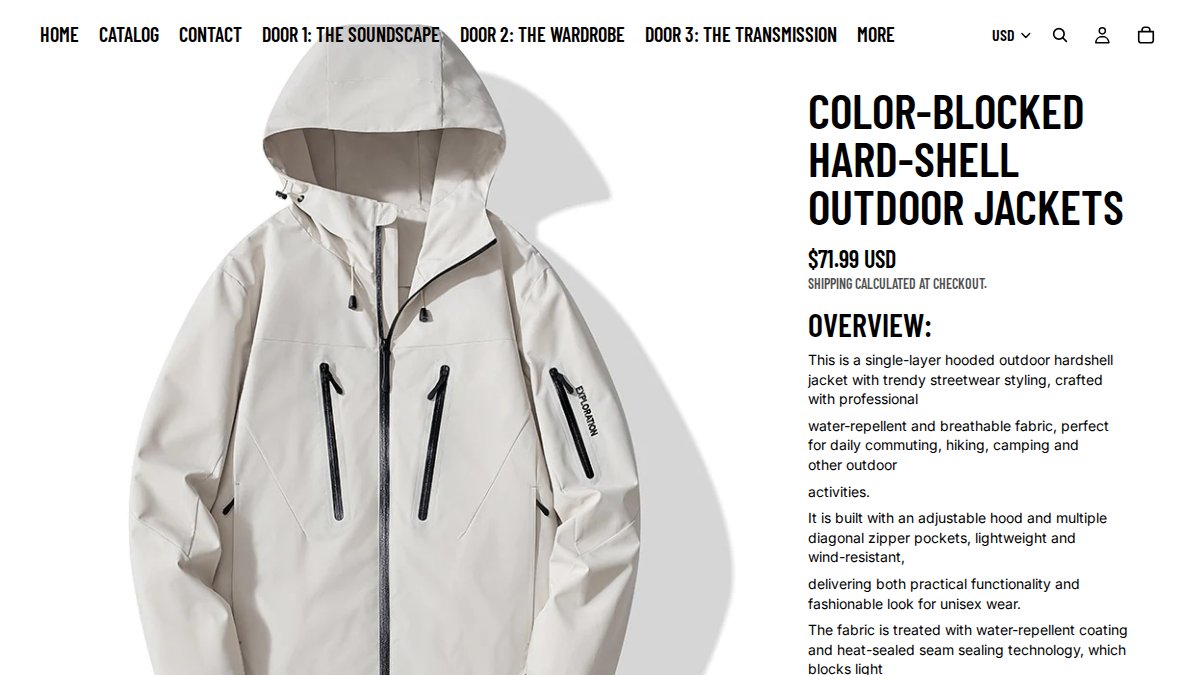
The best all-rounder for style-conscious members of the movement is the Color-Blocked Hard-Shell, a single-layer hooded shell with a water-repellent coating and heat-sealed seams. It blocks light rain, exhausts internal sweat vapor, and folds down small enough to stash in a bag.
Waterproof Nylon Anorak Jacket
For raw rain protection, the Waterproof Nylon Anorak is the strongest shell in the lineup. A 10,000 mm water pressure rating and 5,000 G/M² breathability put it well ahead of the pack on wet-weather performance.
Unmatched Kharizma Parka
The warmest and most versatile option is the Unmatched Kharizma Parka, a three-in-one soft shell built for deep cold and layering. Its 8,000 mm waterproof rating and 5,000 G/M² breathability balance protection with airflow better than almost anything else here.
Port Authority Torrent Waterproof Jacket
Commuters who want a packable emergency shell should look at the Torrent Waterproof Jacket. A 5,000 mm rating and a drawstring carry pouch make it the easiest jacket here to keep in a bag for surprise weather.
Color-Blocked Hard-Shell Outdoor Jackets →
Hooded Outdoor Windbreaker Jacket
The lightest and cheapest pick is the Hooded Outdoor Windbreaker, a single-layer shell rated 1,500 mm for wind and light rain. It's the right call for mild winter days and spring-to-fall shoulder seasons.
Mens Reversible Fleece Lined Hooded Jacket
For dry cold and styling flexibility, the Reversible Fleece Lined Hooded Jacket gives two looks in one. A fleece-lined interior adds warmth, while the reversible design flips between a striped digital print and a solid face.
Independent Trading Co. Lightweight Bomber Jacket
The Lightweight Bomber is a layering piece first and a rain jacket second. Its 600 mm water-resistance rating and interior coating handle drizzle, but it's built for dry winter days when members of the movement want a clean silhouette.
Accessories and Layering Pieces That Complete the Kit
A jacket only solves half the problem. The extremities lose heat fastest, and a warm core with frozen ears still makes for a miserable commute.
Unisex Fleece Lined Hoodie Casual Pullover Sweatshirt
The Unisex Fleece Lined Hoodie is the mid layer that does the heavy lifting. A thick fleece interior and a 95% polyester, 5% spandex blend deliver warmth with enough stretch to move.
Fleece-Lined Knit Beanie Hat
For maximum warmth, the Fleece-Lined Knit Beanie pairs a wool yarn exterior with a fleece interior for thermal insulation and wind resistance. The dome shape and no-brim cut sit close to the head under a hood.
Embroidered iZM Cuffed Beanie
The Embroidered iZM Cuffed Beanie is the lighter, everyday option, and it's a signature piece from iZM Vibes. A 12-inch cuff holds a structured shape through windy commutes, and the 100% turbo acrylic knit keeps its color and fit.
Maintaining High-Quality Statement Pieces
Maintaining high-quality statement pieces comes down to three habits: wash less often, rinse salt promptly, and reactivate the water-repellent finish before it fails.
- Wash sparingly: Spot-clean when possible. Every wash wears down DWR, so save full washes for real grime.
- Rinse salt fast: Road salt and slush corrode hardware. A cool-water rinse after a slushy commute extends zipper and eyelet life.
- Reactivate DWR: When water stops beading, a wash with a technical cleaner and a low-heat tumble reactivates the coating.
- Store dry: Never pack a damp shell away. Mildew and delamination both start with trapped moisture.
- Check seams: Re-tape or repair small seam failures early, before they spread.
Frequently Asked Questions
What features should I look for in weatherproof urban gear?
Prioritize a waterproof rating of at least 5,000 mm for reliable rain protection, breathability above 1,000 G/M2 to prevent sweat buildup, and sealed seams or heat-sealed construction. For cold climates, fleece lining or room for a mid-layer matters. Adjustable hoods, storm flaps, and zippered pockets add real-world utility for commuting. Traction outsoles on boots and windproof accessories like a fleece-lined beanie round out a functional cold-weather kit.
How do I maintain the quality of high-performance statement pieces?
Wash waterproof shells sparingly with a technical fabric cleaner, never regular detergent, which strips durable water repellent (DWR) coatings. Tumble dry low to reactivate the DWR. For fleece-lined hoodies and beanies, spot clean where possible and air dry to preserve shape and insulation. Store jackets on wide hangers, not compressed, so seam-sealed and laminated layers stay intact season after season.
What materials are best for extreme cold in urban environments?
Synthetic insulation outperforms down in wet city conditions because it retains warmth when damp. Look for polyester or nylon shells with PU or laminate waterproof coatings and a breathable membrane. Fleece linings add warmth without bulk. For layering, moisture-wicking base layers plus a fleece mid-layer under a waterproof shell handle temperature swings from subway platforms to windy streets better than a single heavy coat.
What is the difference between water-resistant and waterproof gear?
Water-resistant fabrics shed light rain but eventually soak through under sustained exposure. Waterproof gear uses coatings, membranes, or sealed seams to block water entirely, measured in millimeters of water pressure resistance. A 1,500 mm rating handles drizzle; 5,000 mm and above handles steady rain and wet snow. For cold-climate commuting, aim for at least 5,000 mm waterproofing with taped or heat-sealed seams for full protection.
Are there specific layering techniques for urban winter commuting?
Use a three-layer system: a moisture-wicking base layer against skin, a fleece or insulated mid-layer for heat retention, and a waterproof breathable shell on top. This lets you shed or add layers as you move between heated transit and cold streets. Choose pieces that fit under your shell without bunching. A fleece-lined hoodie works well as a mid-layer, and a packable windbreaker shell handles sudden temperature drops.