


Table of Contents
- What Streetwear Actually Means Beyond Fashion
- The Cultural Roots and Evolution of Urban Style
- How to Spot High-Quality Streetwear and Avoid Fast Fashion
- The Real Cost: Financial Barriers and Long-Term Value
- Building a Capsule Streetwear Wardrobe That Actually Works
- Best Curated Streetwear Aesthetic Brands and Communities
- Is Streetwear Worth Your Time and Money? The Verdict
- Frequently Asked Questions
Last Updated: September 2, 2026
What Streetwear Actually Means Beyond Fashion
Streetwear is far more than casual clothing, it's a cultural movement rooted in self-expression, urban identity, and creative freedom. At its core, it represents a deliberate rejection of traditional fashion hierarchies, where comfort, authenticity, and personal storytelling take precedence over designer labels and seasonal trends. The aesthetic draws from skate culture, hip-hop, graffiti, and underground music scenes, blending utilitarian function with artistic intent.
The streetwear movement worth joining is a lifestyle choice extending beyond your closet. It's about aligning with a community that values individuality and cultural relevance, challenging conventional notions of what "fashionable" means and rejecting the gatekeeping that has historically defined high fashion.
What makes streetwear distinct is its emphasis on versatility and longevity. Quality pieces aren't designed to last one season, they're built to age, layer, and work across multiple outfits and contexts. This directly contradicts fast fashion's disposable model, making streetwear a more sustainable choice for those willing to invest thoughtfully.
Smithsonian Magazine's analysis of streetwear's cultural roots traces the movement back to 1980s New York, where youth culture from marginalized communities created fashion as a form of resistance and identity. That historical foundation explains why authenticity remains non-negotiable within streetwear communities today.
The Cultural Roots and Evolution of Urban Style
Streetwear emerged from the streets, from skateboarders, breakdancers, and musicians who needed functional clothing reflecting their identity. The 1980s and 1990s saw it develop its visual language: oversized silhouettes from hip-hop culture, graphic tees as artistic canvases, and emphasis on brand visibility through logos and embroidery. Brands like Stüssy and Supreme didn't invent streetwear; they documented and packaged it.
Crucially, streetwear maintained cultural integrity through commercialization. Even as luxury brands attempted co-option, the community policed authenticity fiercely. This gatekeeping exists precisely because the movement's legitimacy depends on staying true to its origins.
By the 2010s, streetwear had become global, spreading from New York to Tokyo, Seoul, and London, each region adding cultural inflection while maintaining core values. The mainstream adoption by luxury conglomerates (Louis Vuitton acquiring Supreme, for example) created a paradox: the movement became simultaneously more visible and more diluted. Today's landscape includes everything from authentic independent designers to fast-fashion knockoffs, requiring newcomers to develop discernment about what they're supporting.
How to Spot High-Quality Streetwear and Avoid Fast Fashion
The difference between quality streetwear and fast-fashion imposters comes down to garment construction, material choice, and design intentionality. High-quality pieces are built to last years, improving with age as fabric softens and colors develop patina.
Start by examining seams and stitching. Quality streetwear features reinforced seams, typically double or triple-stitched at stress points, with even, tight stitching and no loose threads. Fast fashion cuts corners here because reinforced seams require more labor and better equipment.
Fabric weight matters enormously. Authentic streetwear uses substantial materials, heavy-weight cotton, structured blends, and technical fabrics designed for durability. A quality hoodie should feel substantial when held; check the weight in grams per square meter (gsm) if available. Quality streetwear hoodies typically run 300+ gsm, while fast fashion often drops to 180-220 gsm.
Look at how brands treat details. Thoughtful design elements, custom hardware, branded zippers, embroidered logos that won't fray, and interior labels reflecting exterior quality, signal that designers considered the entire user experience. The hype-to-substance ratio reveals much: if a brand is primarily known for limited drops and resale value rather than wearability and design innovation, you're looking at hype culture rather than genuine streetwear.
Consumer Reports' guide to evaluating clothing quality outlines testing standards for durability applicable to streetwear evaluation. Brands submitting to third-party quality verification demonstrate confidence in their construction.
The Real Cost: Financial Barriers and Long-Term Value
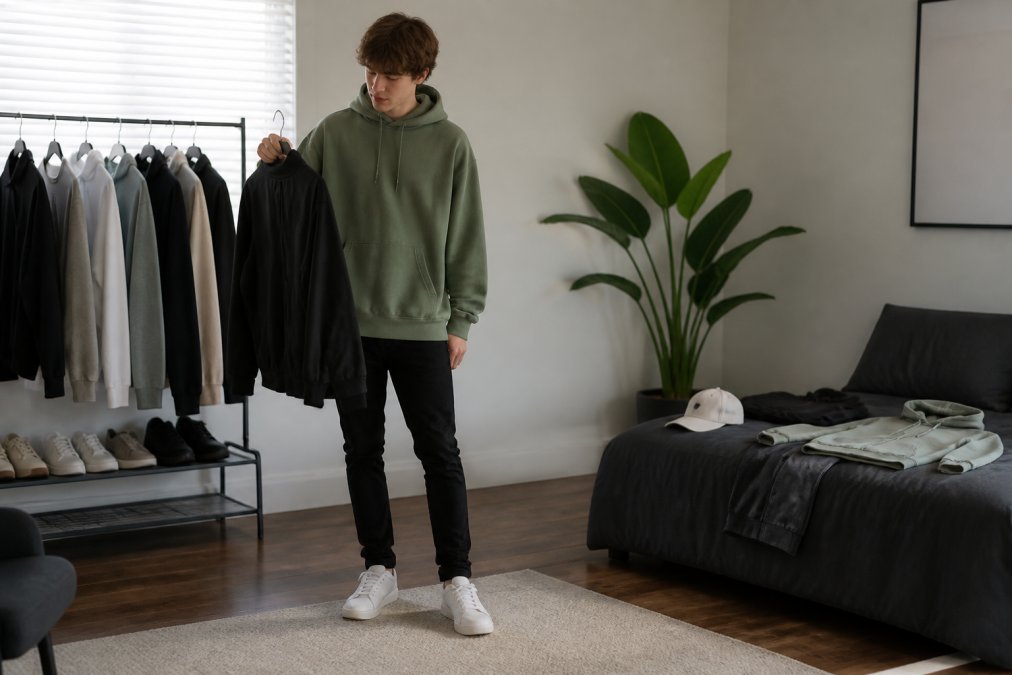
Quality streetwear costs more upfront than fast fashion, creating real barriers that exclude many genuinely interested people. A quality hoodie runs $60-$100; quality basics (tees, pants) land in the $40-$80 range. However, the long-term math changes significantly with durability. An $80 hoodie worn 150 times over three years costs roughly $0.53 per wear, while a $25 fast-fashion hoodie worn 30 times over one year costs $0.83 per wear. Quality pieces also hold resale value, allowing you to recoup investment.
This financial barrier creates tension within the movement. Streetwear emerged as cultural expression specifically because it was accessible to excluded people. When entry requires significant capital, the movement risks becoming another exclusive club.
One approach is building a capsule wardrobe strategically. Rather than chasing every release, invest in foundational pieces working across multiple outfits and seasons: a quality hoodie, well-fitting jeans, neutral tees, and versatile outerwear. From there, add personality through strategic pieces reflecting your aesthetic. This reduces total spending while increasing versatility.
Brands like Planet iZM address this tension by offering quality streetwear at accessible prices. The IZM Logo Hoodie in Pigment-Dyed Green ($84.47) exemplifies this approach, substantial construction with thoughtful design that ages beautifully, without luxury markup. The Embroidered "iZM" Cuffed Beanie ($24.99) delivers quality basics working across multiple seasons and styles.


Building a Capsule Streetwear Wardrobe That Actually Works
A capsule streetwear wardrobe solves the core problem: expressing individual identity while maintaining practical versatility. Rather than accumulating dozens of pieces, invest in foundational items that mix and match, then layer in personality through strategic additions.
Start with neutral basics in quality fabrics: at least two solid-color hoodies (one lighter, one darker), three to four basic tees in neutral tones, and two pairs of well-fitting pants (one neutral, one with subtle texture or wash). These pieces form 70% of your outfits and create infrastructure for everything else.
From this foundation, add pieces reflecting your specific aesthetic. If drawn to minimalist design, add structured outerwear and clean-lined accessories. If you prefer bold graphics, select tees and hoodies with artwork or messaging that resonates. Each additional piece should expand outfit possibilities, not duplicate what you already own.
STAY LOCKED IN WITH PLANET iZM →
Accessorize strategically. A quality beanie, simple chain or cord necklace, and functional bag elevate basics without expensive pieces. The Neon Cityscape Graphic Tee ($59.99) works as both statement piece and practical layering element. The Bear Embroidered Mens Shorts ($51.99) add personality while maintaining versatility.

The capsule approach naturally extends wardrobe lifespan. When pieces work across multiple outfits, you wear them more frequently, paradoxically extending their usable life while avoiding pieces that only work with one specific outfit.
| Wardrobe Component | Purpose | Quality Investment | Refresh Frequency |
|---|---|---|---|
| Neutral hoodies | Foundation layering | $70-$100 each | Every 2-3 years |
| Basic tees | Versatile base | $40-$60 each | Every 1-2 years |
| Well-fitting pants | Daily wear | $60-$90 each | Every 2-3 years |
| Statement pieces | Personal expression | $50-$120 each | As desired |
| Accessories | Detail emphasis | $20-$50 each | Seasonal |
Best Curated Streetwear Aesthetic Brands and Communities
Finding brands embodying streetwear values requires moving beyond hype metrics and resale prices. Look for designers documenting their process, sourcing materials thoughtfully, and engaging authentically with communities.
Planet iZM represents a model worth examining, a brand combining sci-fi-inspired aesthetics with accessible quality. The catalog prioritizes design coherence and material integrity, avoiding releases purely for hype. The brand's emphasis on "immersive experience" extends beyond clothing into lifestyle integration, creating community around shared aesthetic values rather than pure consumption.
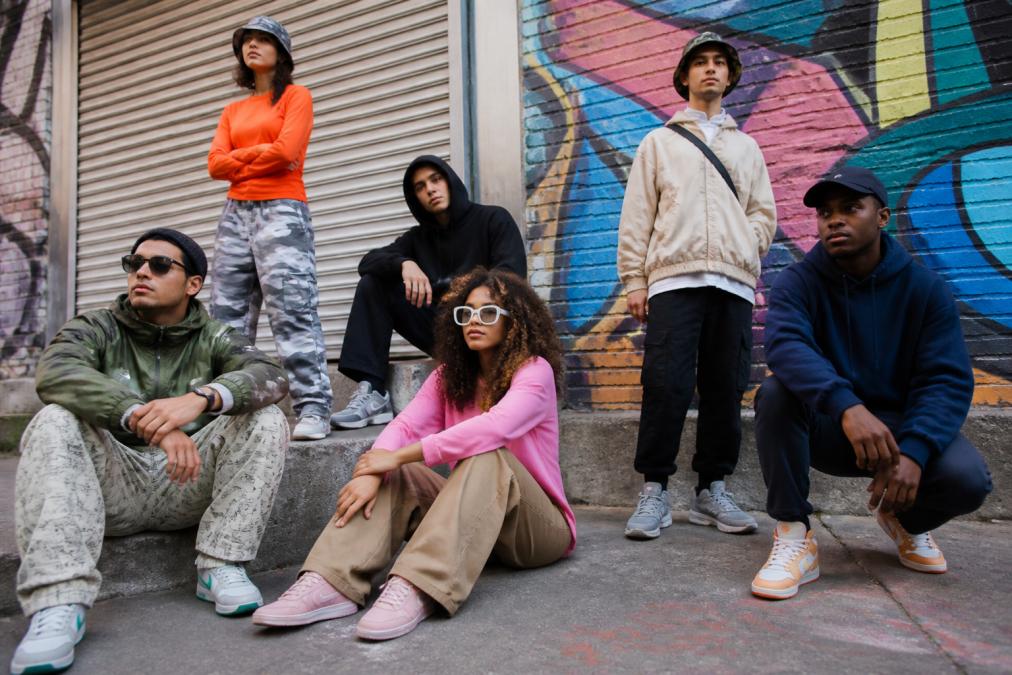
Independent designers and smaller collectives often deliver more authentic streetwear than established luxury brands attempting co-option. These creators typically started within the community, understand its values, and maintain direct audience relationships. They're responsive to feedback, transparent about production, and genuinely invested in the movement's integrity.
Online communities matter as much as brands. Subreddits like r/streetwear, Discord servers organized around specific aesthetics, and Instagram communities built around shared style create spaces for authentic exchange. These communities function as quality filters, pieces and brands that don't deliver get called out quickly. Participating helps you develop discernment and connect with others navigating similar choices.
The gatekeeping phenomenon in streetwear communities deserves acknowledgment. Long-time participants sometimes dismiss newcomers as "not authentic," which can feel exclusionary. However, this gatekeeping often serves a protective function, maintaining standards against commercialization and ensuring community membership requires genuine engagement rather than pure consumption. Approaching communities with humility and genuine interest typically opens doors.
Complex Magazine's analysis of streetwear brand authenticity breaks down evaluating whether a brand genuinely contributes to the movement or simply profits from its aesthetics. This distinction matters because your purchasing decisions either support creators invested in the community or fund corporations extracting value from it.
Is Streetwear Worth Your Time and Money? The Verdict
Whether the streetwear movement is worth joining depends on what you seek from fashion. If you want to express individual identity, participate in a global creative community, and build a wardrobe that lasts, the answer is yes. Streetwear offers a genuine alternative to fast-fashion consumption patterns, grounded in cultural history and community values.
The movement's strength lies in its flexibility. You don't need to commit to a specific aesthetic or spend significant money to participate. Starting with quality basics and gradually adding pieces reflecting your personal style works perfectly. The community welcomes genuine engagement over expensive purchases.
However, streetwear isn't for everyone. If you prefer following clear fashion rules, shopping for the lowest price, or changing styles seasonally, traditional retail serves you better. Streetwear requires active engagement, learning about brands, understanding design choices, and thinking critically about purchases.
The financial barrier remains real, but the long-term math works in your favor if you commit to wearing pieces repeatedly and building a cohesive wardrobe. Brands like Planet iZM demonstrate that quality and accessibility aren't mutually exclusive, thoughtful design and material integrity can exist at reasonable prices.
The environmental argument for streetwear is compelling. Wearing pieces for years rather than seasons dramatically reduces your fashion footprint. You're not contributing to waste created by fast-fashion consumption, aligning personal values with purchasing behavior.
The cultural relevance of streetwear continues because it remains rooted in authentic expression. As long as people value creativity, community, and individuality, streetwear offers a framework for exploring those values through clothing.
The streetwear movement is worth joining if you're genuinely interested in creative expression and building a wardrobe that works for years. Start with quality basics from brands committed to durability and design integrity. Planet iZM offers sci-fi-inspired pieces built to last, from pigment-dyed hoodies to graphic tees that age beautifully. Invest thoughtfully in foundational pieces, engage authentically with communities, and let your personal aesthetic develop naturally. Stay locked in with Planet iZM and discover how intentional streetwear choices create both practical value and meaningful cultural participation.
Frequently Asked Questions
Q: What makes a streetwear brand actually worth joining versus just buying random clothes?
A: A credible streetwear movement combines three elements: intentional design philosophy, community values, and garment quality that lasts. Brands like Planet iZM build loyalty through curated aesthetics, like sci-fi-themed apparel, that reflect a specific creative vision, not generic trends. Look for brands that explain their design choices, source quality materials, and create spaces where members connect around shared identity. Hype culture alone fades fast; substance keeps pieces in your rotation for years.
Q: How do you identify authentic streetwear versus fast fashion disguised as street culture?
A: Authentic streetwear prioritizes garment construction, fabric quality, and design intention. Check seam finishes, fabric weight, and whether the piece serves multiple styling purposes. Fast fashion copies aesthetic motifs without substance, thin fabrics, poor stitching, and designs that feel hollow. Ask yourself: Does this piece tell a story about identity or subculture? Will it look better after 20 washes? Authentic brands invest in pieces that age well and earn personal storytelling from their wearers.
Q: Is streetwear still relevant, or is it just hype at this point?
A: Streetwear evolved from subculture to mainstream adoption around 2015-2020, but relevance has shifted. What remains vital is the cultural movement, self-expression, creative freedom, and community building around shared aesthetics. The trend cycle accelerates, but the underlying values endure. Brands that survive beyond hype cycles anchor themselves in authentic creative direction and inclusive fashion design, not just logo drops. Modern relevance depends on how deeply a brand engages with genuine cultural conversation, not just trend chasing.
Q: Can you actually build a functional wardrobe without spending a fortune on streetwear?
A: Yes, but it requires strategy. Start with versatile basics, a quality hoodie ($50-85), a minimal beanie ($25), and neutral graphic tees ($60), that mix across multiple outfits. Prioritize pieces with longevity over quantity. One well-made garment that lasts two years beats five cheap pieces that fall apart in six months. Budget-conscious entry points exist at curated brands that balance quality and accessibility. Focus on wardrobe staples with design intention rather than collecting hype pieces.
This article was written using GrandRanker