


Table of Contents
- Why Millennials Are Shifting to Science-Backed Skincare
- Best Anti-Aging Ingredients for Your 30s
- How to Build a Skincare Routine for Millennials
- Clinical-Grade vs. Clean Beauty: What the Research Shows
- Skinimalism and Preventative Skincare for Long-Term Results
- Budget-Conscious Science-Backed Routine: Proven Essentials
- Hormonal Skin Changes in Your 30s: What to Expect
- Integrating Professional Treatments with At-Home Care
Last Updated: August 16, 2026
Why Millennials Are Shifting to Science-Backed Skincare
Millennials are done with skincare theater. The generation that grew up watching influencers hawk untested serums now demands evidence. This shift toward science-backed skincare reflects a broader maturity in how this demographic approaches beauty, less Instagram hype, more dermatological research.
As many millennials approach their 30s, the stakes feel higher. Fine lines are appearing, skin texture is shifting, and the casual approach that worked at 22 no longer suffices. What's changed isn't just age, but access to information. Millennials can now read ingredient lists, cross-reference clinical studies, and understand what cosmeceuticals actually do. According to Dermatological Association research on skincare trends, consumer interest in evidence-based skincare has increased significantly among adults aged 25-40 over the past three years.
This guide breaks down the science behind effective skincare for your 30s and beyond: the active ingredients that deliver results, how to build a routine that works for your skin, and the difference between hype-driven products and clinically-proven formulations.
Best Anti-Aging Ingredients for Your 30s
The most effective anti-aging ingredients fall into distinct categories based on their mechanism of action.
Retinoids: The Gold Standard
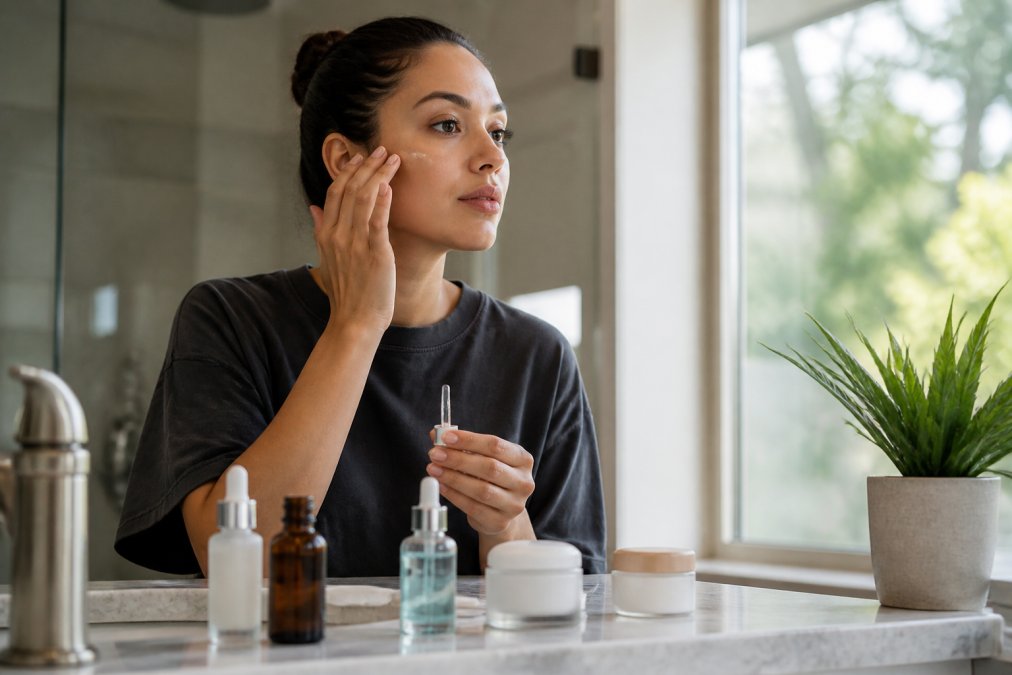
Retinoids remain the single most researched anti-aging active ingredient in dermatology. They work by binding to retinoid receptors in skin cells, accelerating cellular turnover and stimulating collagen production. The research spans decades and consistently shows measurable improvements in fine lines, skin texture, and overall skin health.
The challenge is tolerance. Retinoids are irritating, especially for beginners. Start low and build up gradually. A common mistake is jumping into high-strength formulations immediately, then abandoning the ingredient after experiencing redness and peeling. If you work through the adjustment period (typically 4-8 weeks), retinoids deliver visible results that other ingredients cannot match.
Planet iZM's Collagen Plumping Multi Balm & Retinol Stick Set ($20.00) offers a targeted 5% retinol formulation designed for gradual introduction. The stick format allows precise application to areas showing early signs of aging. Pair it with their Collagen Plumping Multi Balm for hydration and barrier support.
Bakuchiol: The Gentler Alternative
Bakuchiol is plant-derived and works similarly to retinoids without the irritation. It stimulates collagen production and accelerates cellular turnover without causing the redness, peeling, or sensitivity that retinoids do. This makes it ideal for sensitive skin, pregnant individuals, or anyone who's found retinoids too harsh.
The tradeoff: bakuchiol works more slowly than retinoids. Expect gradual improvements in skin texture and firmness over 12-16 weeks of consistent use. For preventative skincare in your 30s, this is often sufficient.
The Belajarst Bakuchiol Multi-Balm Stick ($19.99) combines bakuchiol with hydrated collagen and niacinamide. The multi-balm format works morning or night and layers well under moisturizer.
Hyaluronic Acid and Peptides for Skin Elasticity
Hyaluronic acid is a humectant that draws moisture into the skin, plumping fine lines temporarily and improving hydration. Dehydrated skin looks older and feels fragile. A well-hydrated skin barrier is more resilient and better equipped to handle active ingredients.
Peptides are short chains of amino acids that signal your skin to produce more collagen. They're gentler than retinoids and work synergistically with other actives. While not dramatic on their own, they're excellent supporting players in a comprehensive routine.
Planet iZM's Hyaluronic Acid ($34.99) features a 24K gold formula with deep hydration benefits. Apply to damp skin to maximize water absorption, then follow with a moisturizer to lock in hydration.
How to Build a Skincare Routine for Millennials
A science-backed routine doesn't need to be complicated. The most effective routines are simple enough to maintain daily, layered strategically to maximize efficacy, and built around proven actives rather than trendy products.
Step 1: Start with a Gentle Cleanser
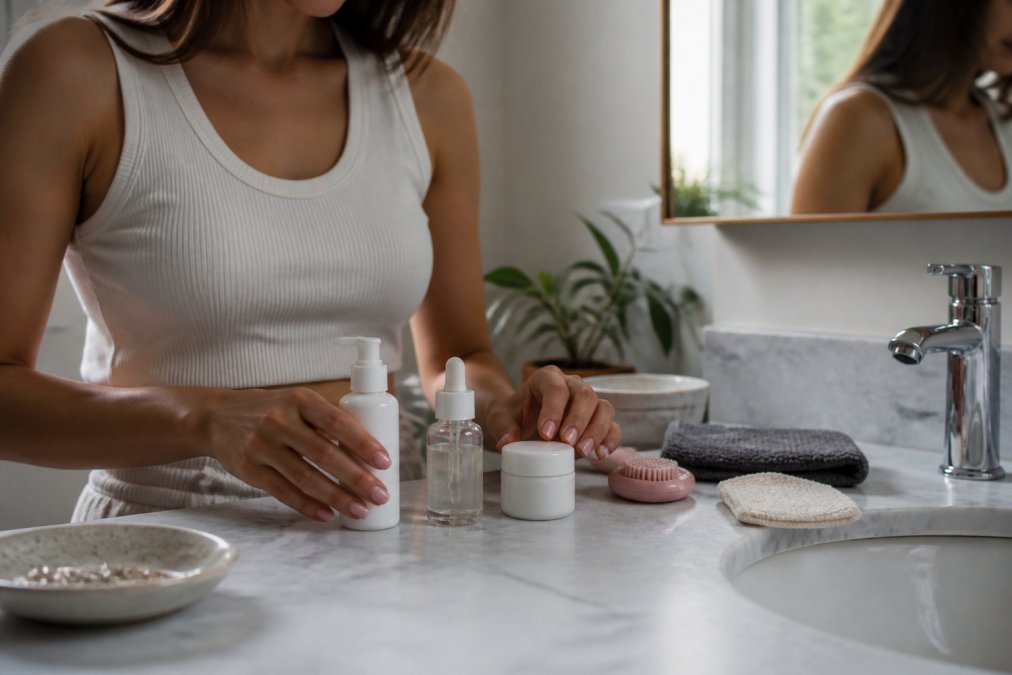
Your cleanser sets the foundation. If it's too harsh, you'll damage your skin barrier and reduce the efficacy of everything that follows. The ideal cleanser removes makeup and daily grime without stripping natural oils.
Look for surfactants that are effective but gentle. Sodium lauryl sulfate is too harsh; cocamidopropyl betaine is better. Cream cleansers work well for dry skin; foaming cleansers suit oily skin but need careful formulation to avoid over-drying.
Planet iZM's Foaming Acne Cleanser ($12.50) uses organic castile soap and natural acne-fighting ingredients. It's gentle enough for daily use yet effective enough to clear breakouts. Use lukewarm water, massage gently for 60 seconds, then rinse thoroughly. Pat dry, don't rub.

Step 2: Layer Active Ingredients Strategically
Apply actives from thinnest to thickest consistency to ensure maximum penetration. A typical routine: cleanser → toner or essence (optional) → active serum (retinoid, bakuchiol, or vitamin C) → hydrating serum (hyaluronic acid) → targeted treatment (peptides, niacinamide) → moisturizer → SPF (morning only).
Wait 1-2 minutes between layers. If you're new to actives, start with one and add others gradually over weeks, not days.
Step 3: Protect Your Skin Barrier
Your skin barrier is the outermost layer of dead skin cells and lipids that protects against environmental damage and water loss. A compromised barrier leads to sensitivity, irritation, and accelerated aging.
Use a moisturizer containing ceramides, cholesterol, or fatty acids, the lipids that actually repair barrier function. Hyaluronic acid hydrates but doesn't repair the barrier alone. You need occlusive ingredients like squalane, jojoba oil, or shea butter.
The Clarifying Charcoal Creme Masque ($30.00) infuses vitamins B, C, E with hyaluronic acid and jojoba oils. Use 1-2 times weekly as a barrier-repair mask. Apply after cleansing, leave for 10-15 minutes, then rinse.

SPF 30+ daily is non-negotiable. UV damage accelerates collagen breakdown and causes hyperpigmentation. Reapply every two hours if outdoors.
Clinical-Grade vs. Clean Beauty: What the Research Shows
The debate between clinical-grade and clean beauty is largely false. Both can work. Clinical-grade products prioritize proven active ingredients at therapeutic concentrations. Clean beauty emphasizes natural or naturally-derived ingredients and avoids certain synthetics.
The real question isn't clinical versus clean: Does this product contain proven actives at effective concentrations? Is the formulation stable enough to deliver those actives to your skin?
STAY LOCKED IN WITH PLANET iZM →
According to FDA guidance on cosmetic ingredient safety, both synthetic and natural ingredients must be safe for use in cosmetics. The safety profile matters more than the source. A well-formulated natural product beats a poorly-formulated synthetic one every time.
Read the ingredient list. Look for actives you recognize: retinoids, hyaluronic acid, niacinamide, peptides, vitamin C. Check the concentration if listed. Avoid vague claims or hidden ingredient percentages.
Skinimalism and Preventative Skincare for Long-Term Results
Skinimalism, using fewer, more intentional products, has become popular among millennials for good reason. More products doesn't equal better skin. Excess products often cause irritation, waste money, and make it impossible to identify what's actually working.
A skinimalism approach means committing to 5-7 core products addressing your specific concerns. For most people in their 30s: cleanser, retinoid or bakuchiol, hydrating serum, moisturizer, SPF, and one targeted treatment.
Preventative skincare is the real payoff. Starting actives in your early 30s prevents problems rather than trying to reverse them later. A retinoid used consistently from age 30 onward will keep your skin looking significantly younger at 40 than waiting until 40 to start.
Planet iZM's Hydrating Eye Mask ($19.99) targets the delicate eye zone with deep moisturizing and wrinkle-reducing benefits. Use 2-3 times weekly as part of your preventative routine. The eye area shows aging first, so targeted care here pays dividends.

Budget-Conscious Science-Backed Routine: Proven Essentials
Building an effective routine doesn't require spending hundreds monthly. A functional science-backed routine can cost under $100 for starter products.
| Product Category | Essential | Budget-Friendly Option | Price |
|---|---|---|---|
| Cleanser | Gentle formula | Foaming Acne Cleanser | $12.50 |
| Active (Retinoid/Bakuchiol) | Choose one | Belajarst Bakuchiol Stick | $19.99 |
| Hydration | Hyaluronic Acid serum | Hyaluronic Acid (24K Gold) | $34.99 |
| Moisturizer | Barrier-supporting | Generic ceramide cream | $15-20 |
| SPF | Broad spectrum 30+ | Generic mineral sunscreen | $10-15 |
| Optional: Exfoliant | Weekly use | Dr. Melaxin Peel Shot (White Rice) | $20.00 |
| Optional: Eye Care | Targeted treatment | Hydrating Eye Mask | $19.99 |
Total starter cost: approximately $130-150 for quality products lasting 2-3 months, or roughly $45-50 monthly. Buy one good product in each category rather than multiple mediocre ones. Consistency matters more than product count.
Planet iZM's Dr. Melaxin Peel Shot Exfoliating White Rice Ampoule ($20.00) offers clinical-grade exfoliation at an accessible price. Use 1-3 times weekly depending on skin tolerance.
Hormonal Skin Changes in Your 30s: What to Expect
Your skin doesn't stay static in your 30s. Hormonal shifts, accumulated sun exposure, and natural aging all accelerate during this decade. Collagen production declines approximately 1% annually starting in your mid-20s. By your 30s, this becomes noticeable: fine lines deepen, skin loses elasticity, and texture becomes less uniform.
Hormonal fluctuations can trigger breakouts even as your skin shows signs of aging. Niacinamide reduces sebum production and strengthens the barrier. Salicylic acid clears pores. Retinoids accelerate cellular turnover, preventing clogged pores.
Many women notice changes around their menstrual cycle. If breakouts cluster around ovulation or menstruation, adjust your routine accordingly. Use gentle actives during sensitive times and stronger treatments during stable phases.
Sun damage accumulated over decades becomes visible in your 30s. If you didn't prioritize SPF in your 20s, you're seeing the consequences now: hyperpigmentation, rough texture, and accelerated aging. Start SPF 30+ daily immediately.
Integrating Professional Treatments with At-Home Care
Professional treatments amplify at-home skincare rather than replacing it. Common treatments for millennials in their 30s include chemical peels, microneedling, and laser therapy. These accelerate cellular turnover, stimulate collagen production, and address specific concerns like hyperpigmentation or texture irregularities.
Use professional treatments strategically, then maintain results with at-home care. A chemical peel every 3-6 months, supported by daily retinoids and SPF, keeps skin looking significantly younger than at-home care alone. Professional treatments are the intensive work; your daily routine maintains the gains.
According to American Academy of Dermatology guidelines on professional skin treatments, combining professional treatments with evidence-based home care produces optimal results for preventative anti-aging.
The Rose Quartz Facial Roller ($20.00) supports professional treatments. Use it after applying serums to enhance absorption and reduce puffiness. The included travel case makes it portable for maintaining your routine while traveling.
Building a science-backed skincare routine means rejecting trends and embracing research. The ingredients that work, retinoids, hyaluronic acid, peptides, niacinamide, have decades of clinical support. Start with a gentle cleanser and SPF. Add one active ingredient and give it 8-12 weeks to show results. Layer strategically. Protect your barrier. Stay consistent. Your skin in your 40s will thank you for the work you do now.
STAY LOCKED IN WITH PLANET iZM and discover skincare that's backed by science, not trends.
Frequently Asked Questions
What is the difference between clinical-grade and drugstore skincare?
Clinical-grade skincare contains higher concentrations of active ingredients and undergoes dermatological research to verify formulation efficacy. Drugstore products meet safety standards but may have lower active ingredient percentages. Clinical-grade options like retinoids at 5% concentration deliver measurable results for skin elasticity and cellular turnover, while drugstore alternatives often contain diluted versions. The key difference is research-driven formulation versus mass-market appeal.
Which skincare ingredients are scientifically proven for anti-aging?
Retinoids boost collagen production and cellular turnover, with clinical studies showing visible improvement in fine lines within 8-12 weeks. Hyaluronic acid provides deep hydration and plumps skin texture. Peptides and bio-peptides support skin elasticity by stimulating collagen synthesis. Bakuchiol offers retinoid-like benefits without irritation. Niacinamide strengthens the skin barrier and reduces hyperpigmentation. Vitamin C and antioxidants protect against free radical damage. These ingredients are evidence-based and recommended by dermatological research.
How does skin change for millennials in their 30s?
Skin undergoes hormonal shifts in the 30s, affecting oil production and cellular turnover. Collagen production naturally declines, leading to reduced skin elasticity and the emergence of fine lines. Hyperpigmentation from sun exposure becomes more visible. The skin barrier may become more sensitive due to cumulative environmental stress. Preventative skincare becomes essential during this decade to slow visible aging and maintain skin health. Starting a science-backed routine now prevents more significant concerns in later years.
Is clean beauty actually backed by science?
Clean beauty emphasizes gentle, non-toxic formulations, but 'clean' is marketing language, not a scientific standard. The FDA doesn't regulate cosmetics the same way as drugs, so 'natural' doesn't always mean safer or more effective. Science-backed skincare prioritizes formulation efficacy and active ingredient concentration over ingredient sourcing. Many natural ingredients work well (like plant-based bakuchiol), but synthetic actives like retinoids have stronger clinical evidence. The best approach combines clean, sustainable formulations with proven active ingredients for real results.
How do I build a science-backed skincare routine on a budget?
Focus on essentials: a gentle cleanser ($12-$15), a single active ingredient serum (retinoid or bakuchiol, $20-$35), and a hydrating moisturizer ($15-$25). Skip multi-step routines and trendy products without clinical backing. Prioritize formulation efficacy over brand name. Use one active ingredient consistently before adding others, this prevents irritation and shows real results. Layer products strategically: cleanser, active treatment, moisturizer. Many effective options cost under $30, delivering measurable improvements in skin texture and elasticity without premium pricing.
This article was written using GrandRanker