


Table of Contents
- What Makes Sci-Fi Streetwear Durable
- Key Material Characteristics for Durability
- Techwear Durability Standards and Testing
- How to Spot High Quality Streetwear Construction
- Sustainable Techwear Materials and Longevity
- Care and Maintenance Protocols for Sci-Fi Apparel
- Price-to-Durability Ratio in Futuristic Fashion
- Conclusion
Last Updated: August 18, 2026
What Makes Sci-Fi Streetwear Durable
Is sci-fi streetwear durable? The answer depends entirely on construction quality, material selection, and how well a garment is engineered for real-world wear. At Planet iZM, we've spent considerable time analyzing what separates garments that hold up from those that fall apart after a few washes.

Durability in sci-fi streetwear isn't about looking futuristic, it's about the engineering underneath. A piece might feature all the cyberpunk aesthetics you want, but if the seams are weak, the fabric tears easily, and the hardware fails, you're left with expensive regret. The brands doing this right understand that techwear durability standards demand functional design paired with material science.
The foundation of durability comes down to three core factors: the base fabric's ability to withstand repeated stress, the construction methods that hold seams together, and the finishing details that prevent premature failure. Sci-fi streetwear that performs uses synthetic fabrics engineered for abrasion resistance, waterproof shells that actually breathe, and reinforced stitching that won't give way under tension.
Key Material Characteristics for Durability
Materials make or break durability. A garment's fabric determines how it responds to friction, moisture, temperature changes, and repeated wear cycles. When evaluating sci-fi streetwear, understanding what's actually in the fabric matters more than the brand name on the tag.
Synthetic Fabrics and Ripstop Construction
Synthetic fabrics dominate techwear durability because they outperform natural fibers in harsh conditions. Polyester, nylon, and specialized blends offer superior abrasion resistance compared to cotton or wool. These materials don't absorb moisture the way natural fibers do, which means they dry faster and resist mold growth in damp environments.
Ripstop construction represents a major leap in garment longevity. This weaving technique uses a reinforced grid pattern, thicker threads woven at regular intervals, that stops small tears from spreading. When a ripstop fabric gets a small puncture, the grid pattern contains the damage. Without ripstop, a single tear can run across an entire garment panel. For sci-fi streetwear that needs to handle urban environments and occasional rough contact, ripstop is non-negotiable.
The weight of synthetic fabrics also matters. Heavier fabrics, typically measured in grams per square meter, generally last longer than lightweight alternatives. A 300-gram polyester shell will outlast a 150-gram one under identical conditions. However, heavier isn't always better for functionality; the goal is finding the right weight for the garment's intended use.
Waterproof and Breathable Textile Technology
Waterproofing and breathability seem contradictory, but modern textile technology solves this problem through membrane layers. Membranes like Gore-Tex create a barrier that blocks liquid water while allowing water vapor to pass through. This means rain stays out, but sweat can escape.
For techwear durability standards, waterproof construction requires more than a surface coating. Coatings wear away with time and washing. True waterproofing uses laminated membranes bonded to the fabric, which maintain their function across hundreds of wear and wash cycles. When a garment uses seam-sealed construction, where seams are sealed with tape or adhesive, water has nowhere to penetrate.
Breathable fabrics extend garment life by preventing moisture buildup inside. When sweat accumulates, it creates an environment for mold, mildew, and fabric degradation. Breathable textiles allow moisture to escape, keeping the interior dry and the fabric healthier. This is especially critical for sci-fi streetwear worn during physical activity or in humid climates.
The durability of waterproof-breathable systems depends on proper care. Washing in cold water and avoiding fabric softeners preserves the membrane's function. Hot water and harsh detergents can degrade the coating or membrane over time, which is why maintenance protocols matter as much as material quality.
Techwear Durability Standards and Testing
Not all durability claims are equal. The difference between marketing hype and genuine durability comes down to how garments are tested. Real techwear durability standards measure specific failure points under controlled conditions.
Professional testing evaluates abrasion resistance by rubbing fabric against a standardized surface for a set number of cycles. A garment passes if the fabric withstands 10,000 or more cycles without significant degradation. Seam strength testing pulls on stitched seams with increasing force until they fail, measuring how much weight they can support. Waterproof testing involves spraying fabric with pressurized water to verify that no moisture penetrates the surface.
Tear resistance testing measures how much force is needed to propagate a small tear across fabric. This is where ripstop construction proves its value, ripstop fabrics typically resist tear propagation far better than plain weaves. Pilling resistance tests measure how much surface fuzzing occurs after repeated friction, which affects both appearance and longevity.
The best sci-fi streetwear brands publish testing results or reference industry standards. If a brand makes durability claims without backing them up with test data, that's a red flag. Legitimate brands understand that durability is verifiable and are willing to demonstrate it.
How to Spot High Quality Streetwear Construction
Visual inspection reveals what you can't see in product photos. When examining sci-fi streetwear in person, focus on the details that determine whether a garment will last.
Reinforced Stitching and Durable Hardware
Seam quality is the single best indicator of overall durability. Run your finger along seams, they should feel smooth and tight, with no loose threads or gaps. High-quality stitching uses multiple thread lines (typically 2-4 parallel lines per seam) rather than a single stitch. Multiple stitches distribute stress across more thread, preventing single-point failure.
The thread itself matters. Polyester thread resists UV degradation and moisture better than cotton thread. Seams on durable techwear should use lockstitch construction, which creates interlocking loops on both sides of the fabric. This is far more secure than simple running stitches.
Hardware, zippers, snaps, buttons, and D-rings, determines how long functional elements last. Zippers on quality sci-fi streetwear use metal or high-grade plastic teeth, not cheap plastic that cracks. Test zippers by sliding them smoothly; they should move without catching or grinding. Metal hardware resists corrosion better than plated alternatives, especially in humid environments.
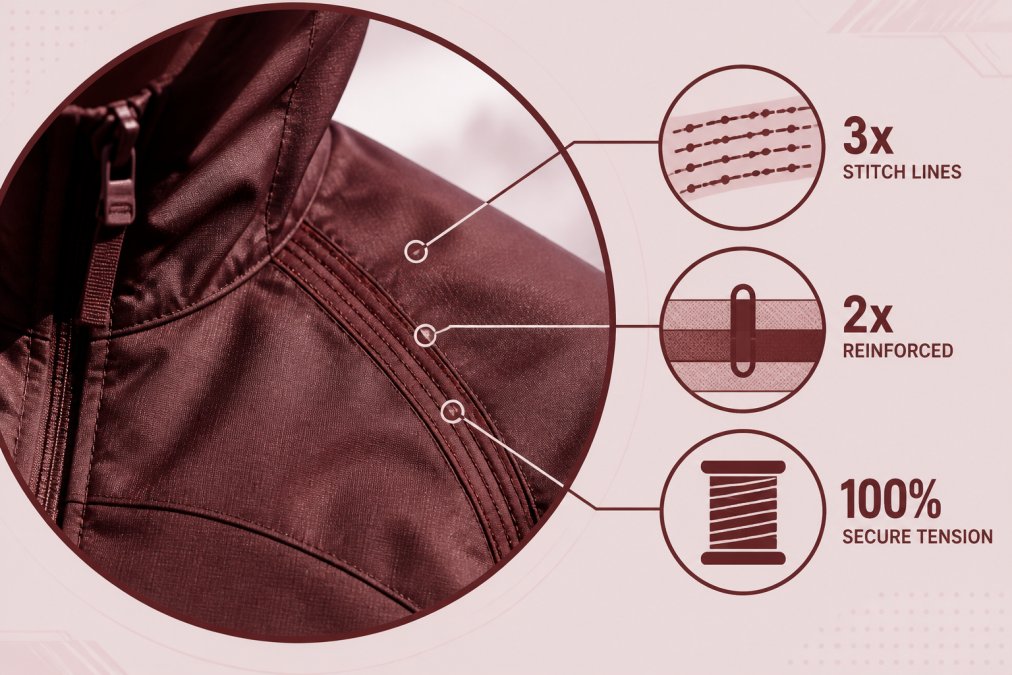
D-rings and attachment points should be reinforced with additional stitching or bartacks, small rectangular stitched patterns that prevent tearing at stress points. These details separate functional techwear from fashion-forward pieces that look the part but won't perform.
Seam-Sealed Design and Articulated Joints
Seam-sealed design means seams are protected from water infiltration through tape, adhesive, or welding. You can often see the tape on the inside of a garment, running along seams. This extra step adds cost but dramatically improves waterproof durability.
Articulated joints, reinforced areas where fabric panels meet at stress points like shoulders, elbows, and knees, indicate a garment designed for movement and durability. These areas receive extra fabric layers or gusseted panels that prevent tearing when you move. On quality sci-fi streetwear, articulated joints are visible as subtle panel overlaps or reinforced zones.
Pay attention to how panels are cut and aligned. Panels that follow the body's natural movement patterns reduce stress on seams. Garments with poor panel alignment force seams to absorb stress they weren't designed for, leading to premature failure.
The placement of pockets, zippers, and other features affects durability. Pockets positioned at stress points without reinforcement become weak spots. Quality construction reinforces these areas with additional stitching or fabric backing.
STAY LOCKED IN WITH PLANET iZM →
Sustainable Techwear Materials and Longevity
Durability and sustainability are intertwined. A garment that lasts longer requires fewer replacements, reducing environmental impact. The most sustainable techwear is the piece you don't throw away.
Modern sustainable techwear uses recycled synthetics, polyester made from reclaimed plastic bottles or discarded textiles, that perform as well as virgin materials. These recycled synthetics maintain the abrasion resistance, waterproofing, and strength of traditional synthetics while reducing resource consumption. Some brands are experimenting with bio-based synthetics derived from plant materials, though these are still evolving in terms of durability.
The environmental cost of production matters too. Brands using closed-loop dyeing processes and water-efficient manufacturing reduce waste during creation. However, a sustainably produced garment that falls apart after two seasons is less sustainable than a durably made piece with higher production impact.
Longevity is the ultimate sustainability metric. A sci-fi streetwear jacket that lasts five years has far lower environmental impact per wear than one lasting eighteen months. When evaluating sustainability, ask: How long will this actually last? Can it be repaired? Are replacement parts available?
Planet iZM's approach to techwear emphasizes pieces designed for extended wear. By focusing on durable construction and timeless futuristic aesthetics, the collection supports a more sustainable consumption model where garments become wardrobe staples rather than seasonal trends.

Care and Maintenance Protocols for Sci-Fi Apparel
Even the most durable sci-fi streetwear requires proper care. How you wash, dry, and store your garments determines whether they maintain their performance and appearance.
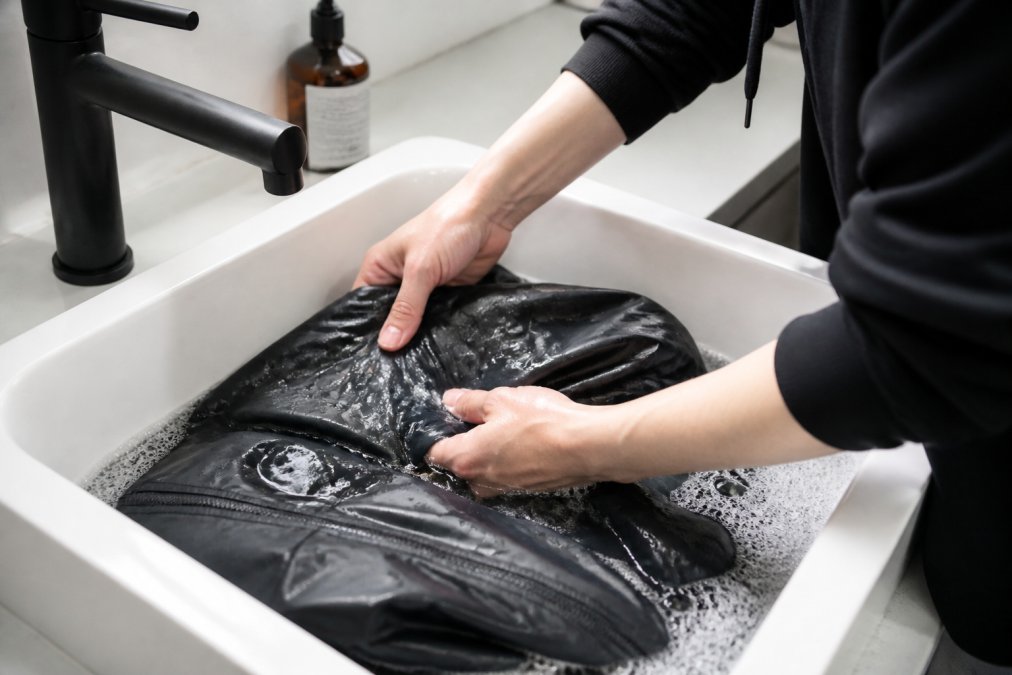
Cold water washing is essential for synthetic fabrics. Hot water can degrade waterproof coatings and membranes, weaken synthetic fibers, and cause color fading. Use a gentle cycle on your washing machine or hand wash for pieces with delicate construction.
Detergent choice impacts durability. Standard laundry detergents contain surfactants that can break down waterproof coatings. Use a technical fabric cleaner specifically designed for performance garments, or a mild detergent without additives. Avoid fabric softeners entirely, they leave a residue that reduces breathability and water resistance.
Drying method determines how well your garment maintains its properties. Air drying is safest; hang garments away from direct heat or sunlight. High heat from dryers can damage synthetic fibers and coatings. If you must use a dryer, use the lowest heat setting and remove garments while still slightly damp.
Storage matters for long-term durability. Store sci-fi streetwear in a cool, dry place away from direct sunlight, which degrades synthetic fabrics over time. Avoid plastic storage bags that trap moisture; use breathable cotton bags or hang garments on padded hangers. Ensure zippers are fully closed and any hardware is clean and dry before storage.
Spot cleaning small stains extends the time between full washes, which reduces wear on fibers. Use a damp cloth with mild soap and gently work the stain. Rinse thoroughly and air dry.
Price-to-Durability Ratio in Futuristic Fashion
Sci-fi streetwear pricing varies dramatically, but price doesn't always correlate with durability. Understanding value requires evaluating what you're actually paying for.
Entry-level sci-fi streetwear typically costs $40-$80 per piece. At this price point, you're getting synthetic fabrics and basic construction. These garments may look futuristic and function acceptably for light use, but they won't withstand heavy wear or harsh conditions. The Short Sleeve T-Shirt from Planet iZM at $39.99 delivers quality at this tier, heavyweight 230g cotton provides durability for daily wear.
Mid-range techwear ($80-$150) offers better construction, reinforced seams, and higher-quality synthetic blends. Garments at this price include features like ripstop construction or basic waterproofing. The Casual Waffle Fabric Sweatshirt Set at $53.99 represents solid value, offering coordinated pieces with textured durability.

Premium sci-fi streetwear ($150-$300+) features advanced materials like seam-sealed waterproof-breathable membranes, articulated joints, and meticulous construction. These pieces are designed for extended use in demanding conditions. The Color-Blocked Hard-Shell Outdoor Jackets at $71.99 offer premium features at accessible pricing.
The best value isn't the cheapest price, it's the lowest cost per wear. A $200 jacket worn 200 times costs $1 per wear. A $60 jacket worn 20 times costs $3 per wear. Durability directly impacts this calculation.
When evaluating price-to-durability ratio, ask: What will this cost me over time? Will it last a year, three years, or five years? Can I repair it if something fails? Does the brand offer replacement parts or repair services?
Planet iZM's Neon Cityscape Graphic Tee at $59.99 balances aesthetic appeal with functional durability, making it a solid value for someone building a sci-fi streetwear wardrobe. The investment in quality construction means the piece remains wearable and visually current longer than cheaper alternatives.
Durability in sci-fi streetwear isn't mysterious or subjective. It's the result of specific material choices, construction techniques, and design decisions. When you understand what creates durability, you can identify which pieces will actually hold up to real wear versus which ones prioritize aesthetics alone. The best sci-fi streetwear combines the futuristic visual language you want with the functional engineering that keeps garments performing year after year. At Planet iZM, we're committed to delivering techwear that doesn't compromise, pieces that look forward-thinking and actually last. Explore our collection and invest in sci-fi streetwear built to endure.
Frequently Asked Questions
What materials make sci-fi streetwear durable?
Sci-fi streetwear durability depends on synthetic fabrics like polyester and nylon blends, ripstop construction that resists tearing, and high-performance textiles with waterproof and breathable coatings. Look for reinforced stitching, seam-sealed construction, and quality hardware like YKK zippers. These materials resist abrasion and weather damage far better than basic cotton, making them ideal for techwear that emphasizes function alongside futuristic aesthetics.
How can you tell if a streetwear brand uses high-quality fabrics?
Examine the fabric weight (measured in grams per square meter), quality sci-fi streetwear typically uses 200g+ materials. Check for tight, even stitching with no loose threads. Feel the texture for consistency and look for branded labels indicating performance standards. Quality brands disclose their textile composition and construction methods. Compare seam quality, zipper durability, and hardware finish. Brands like Planet iZM publish detailed specifications so you know exactly what you're purchasing before buying.
Does techwear durability differ from regular streetwear?
Yes. Techwear prioritizes functional durability through weather-resistant materials, modular design, and reinforced construction. Regular streetwear focuses on style without the same performance engineering. Techwear garments feature seam-sealed joints, articulated stitching patterns, and synthetic fabrics engineered for abrasion resistance. This results in significantly longer garment longevity, especially in urban environments where durability matters. Sci-fi streetwear often borrows techwear durability principles while maintaining the cyberpunk and post-apocalyptic aesthetic.
How should you care for sci-fi inspired apparel to ensure longevity?
Hand-wash in cool water with mild detergent and air-dry to preserve fabric integrity and waterproof coatings. Avoid hot water, bleach, and high-heat drying, which degrade synthetic fibers and seam seals. Store in a cool, dry place away from direct sunlight. For jackets with waterproof shells, periodically refresh the water-repellent coating. Check zippers and hardware regularly for corrosion. Proper maintenance extends garment life by years, protecting your investment in quality techwear pieces.
This article was written using GrandRanker