


Table of Contents
- Sci-Fi Fantasy vs Neomachi Style: Core Aesthetic Differences
- How Cyberpunk Streetwear Trends Define Sci-Fi Fantasy
- Neomachi Style and Industrial Fashion Elements
- World-Building and Narrative Tropes in Each Aesthetic
- How to Style Neomachi Outfits vs Sci-Fi Fantasy Looks
- Visual Motifs and Aesthetic Comparison
- Practical Application for Creators and Collectors
- Frequently Asked Questions
Last Updated: September 1, 2026
Sci-Fi Fantasy vs Neomachi Style: Core Aesthetic Differences
Sci-fi fantasy and neomachi style both draw from speculative fiction, but they diverge dramatically in execution and mood. Sci-fi fantasy embraces optimism about technological advancement and imaginary realms, while neomachi style channels industrial grit, retrofuturism, and cyberpunk sensibility rooted in urban settings.
Sci-fi fantasy draws from soft science fiction traditions prioritizing narrative wonder over hard science. The aesthetic celebrates neon-soaked futures, sleek synthetic materials, and bold colors: electric blues, hot pinks, chrome silvers. Silhouettes are flowing, asymmetrical, or exaggerated. The goal is aspirational escapism.
Neomachi style operates within cyberpunk subgenres and retrofuturism, recontextualizing 1980s-90s technological aesthetics through a contemporary lens. Think deconstructed silhouettes, industrial straps, buckles, and armor-like elements. Materials are tactile and functional: leather, canvas, technical fabrics. The color palette is darker and restrained, blacks, charcoals, deep teals, with strategic metallic accents. Where sci-fi fantasy says "imagine tomorrow," neomachi says "this future already exists, hidden in plain sight."
Each aesthetic attracts different creative impulses. Sci-fi fantasy encourages maximalism and theatrical expression. Neomachi demands precision, intentionality, and appreciation for utility disguised as art.
How Cyberpunk Streetwear Trends Define Sci-Fi Fantasy
Cyberpunk emerged in the 1980s as a literary counterpoint to utopian visions of technology, offering gritty, corporate-dominated dystopian societies instead. However, cyberpunk streetwear trends have bifurcated into two distinct visual languages. The glossier, more accessible interpretation emphasizes neon accents, holographic elements, and tech-forward silhouettes without the darker ideological baggage. This is sci-fi fantasy dressed in cyberpunk's visual vocabulary.
Cyberpunk streetwear typically includes oversized technical jackets, reflective piping, exaggerated proportions, and synthetic materials that catch light. The collective mindset is technological optimism mixed with urban edge. You're celebrating technology as visual spectacle rather than rejecting it.
The cyberpunk genre conventions originally emphasized societal critique and power imbalances in technologically saturated worlds. Fashion has largely stripped away the critical edge and kept the visual motifs, which is why cyberpunk streetwear feels more like sci-fi fantasy than true cyberpunk, it adopts the aesthetic while shedding the dystopian narrative.
Planet iZM's Neon Cityscape Graphic Tee exemplifies this trend perfectly, featuring a retro-futuristic metropolis with glowing signs and cool teal-and-magenta highlights. It's cyberpunk-inspired but fundamentally optimistic, celebrating urban futures rather than critiquing them.

When you layer cyberpunk streetwear pieces together, you're building a narrative about embracing technological advancement and urban sophistication. The trend has shifted away from hard science fiction into something more accessible: a visual language that says "I'm forward-thinking and aesthetically adventurous."
Neomachi Style and Industrial Fashion Elements
Neomachi style represents a deliberate rejection of cyberpunk's visual excess in favor of structured, functional aesthetics rooted in industrial design. The term blends "neo" (new) with "machi" (town/city in Japanese), capturing a contemporary reimagining of urban environments through an industrial lens.
Where sci-fi fantasy celebrates technological spectacle, neomachi treats technology as infrastructure. The aesthetic prioritizes clean lines, modular construction, and visible hardware. Straps, buckles, D-rings, and cargo pockets suggest utility and purpose. This is fashion that looks like it could perform actual work.
Industrial fashion elements define neomachi through specific design choices: deconstructed tailoring, asymmetrical zippers, exposed stitching, and mixed materials create visual complexity without relying on color. The silhouette is often oversized but structured, with intentional volume in specific areas, dropped shoulders, exaggerated sleeves, articulated panels.
Material selection reflects industrial roots. Genuine leather, heavy-duty canvas, technical synthetic fabrics, and metal hardware are chosen for durability and craftsmanship, not visual pop. A neomachi piece should feel substantial; weight and texture matter as much as cut.
The color palette stays deliberately muted: blacks, charcoals, deep grays, and occasionally forest green or navy. When accent colors appear, they're integrated subtly through hardware or small textile details rather than large graphic elements.
industrial design principles emphasize form following function, and neomachi fashion applies this directly to clothing. Every visible element suggests purpose. This is why neomachi resonates with creators who appreciate intentional design, there's no visual waste.
Practical neomachi styling requires understanding layering and proportion. Oversized jackets pair with tapered pants. Cargo vests layer over fitted base layers. Visual interest emerges through dimensional layering and material contrast rather than color.
World-Building and Narrative Tropes in Each Aesthetic
Sci-fi fantasy and neomachi style tell fundamentally different stories about the future through their visual language.
Sci-fi fantasy operates within soft science fiction traditions where world-building prioritizes wonder and possibility. The narrative trope is discovery and expansion, exploring new realms, encountering advanced civilizations, imagining technologies that redefine human experience. The aesthetic supports this through aspirational imagery: towering structures, gleaming surfaces, bold colors suggesting optimism and energy. When you wear sci-fi fantasy streetwear, you adopt the narrative of a protagonist stepping into an expanded universe.
Neomachi style operates within cyberpunk subgenres where the narrative trope is adaptation and resilience within constrained systems. The world-building suggests urban environments already saturated with technology as infrastructure, not novelty. The aesthetic communicates competence and pragmatism. You're navigating existing worlds with intelligence and intention, not exploring new ones.
These narrative differences shape how you combine pieces and what emotional story your outfit tells. Sci-fi fantasy encourages mixing textures, colors, and dramatic silhouettes to create visual spectacle. Neomachi demands restraint, precision, and understanding how individual elements contribute to a cohesive whole.
narrative tropes in speculative fiction reveal how deeply aesthetic choices connect to underlying worldviews. Both are speculative fiction aesthetics, but they speculate about different futures and different human relationships to technology.
How to Style Neomachi Outfits vs Sci-Fi Fantasy Looks
The practical difference between styling neomachi outfits and sci-fi fantasy looks comes down to intentionality and visual hierarchy.
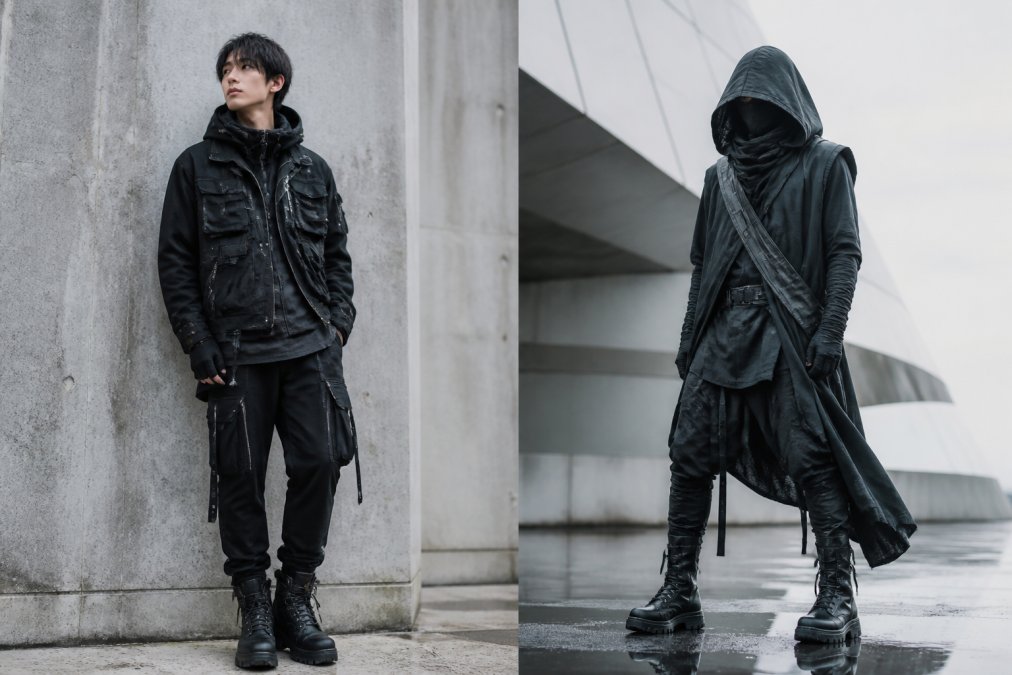
For neomachi styling, start with neutral, well-fitted basics. A black or charcoal fitted shirt serves as your anchor. Layer an oversized technical jacket or deconstructed vest over it, creating visual contrast through silhouette rather than color. Add cargo pants or tapered trousers with visible pocket details and hardware. Accessories should be minimal but intentional: a structured belt with visible buckles, a technical bag with straps and D-rings, perhaps metal jewelry suggesting industrial purpose.
Treat each piece as a functional element in a larger system. Textures matter enormously, pair smooth leather with rough canvas, matte fabrics with subtle metallic accents. The overall effect should feel cohesive and intentional.
STAY LOCKED IN WITH PLANET iZM →
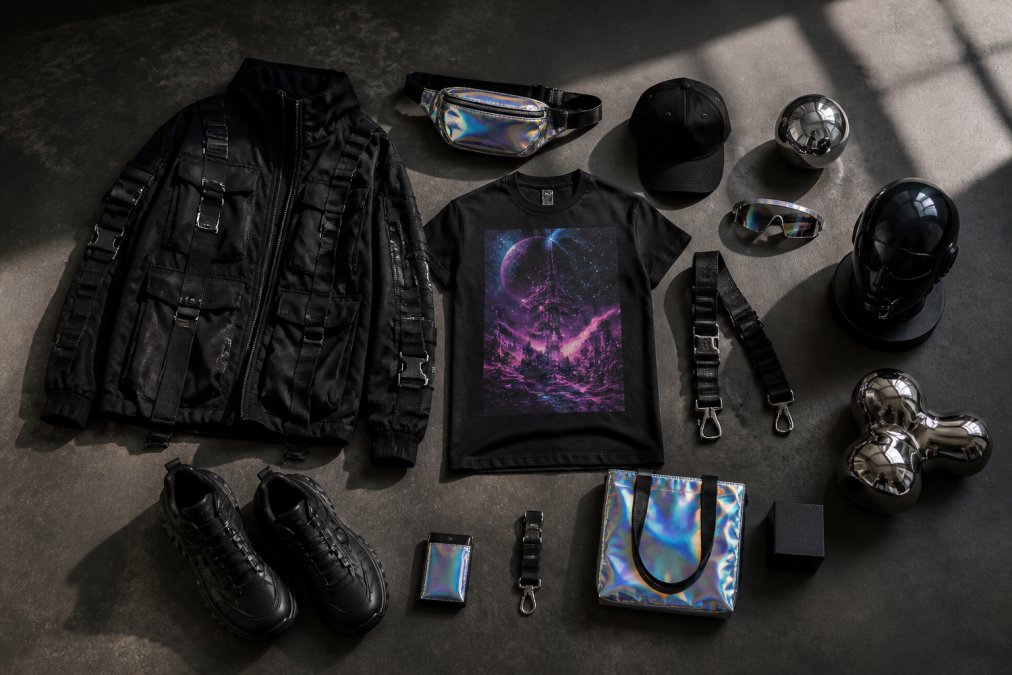
Sci-fi fantasy styling operates with different rules. Embrace color, texture variety, and dramatic silhouettes. Start with a statement piece, a holographic jacket, neon graphic tee, or bold oversized shirt in an unexpected color. Build around it with complementary pieces that add visual interest without competing for attention.
Layering creates depth and visual complexity. Oversized jackets over fitted bases, flowing pieces over structured ones, matte fabrics mixed with reflective or iridescent materials. Color coordination can be adventurous, jewel tones with neons, pastels with metallics, unexpected combinations creating visual excitement.
Accessories in sci-fi fantasy should enhance the narrative of technological optimism: holographic bags, reflective belts, statement jewelry with geometric or futuristic elements. The goal is creating a cohesive visual story that feels intentional and immersive.
The critical distinction: neomachi asks "does this serve a purpose?" while sci-fi fantasy asks "does this create visual impact?"
For someone building a sci-fi fantasy wardrobe, Planet iZM's Neon Cityscape Graphic Tee at $59.99 serves as an excellent anchor piece. Pair it with oversized jackets, reflective accessories, and complementary neon accents to build a cohesive look.
Visual Motifs and Aesthetic Comparison
Visual motifs embedded in sci-fi fantasy and neomachi style reveal the deepest differences between these aesthetics.
| Visual Element | Sci-Fi Fantasy | Neomachi Style |
|---|---|---|
| Color Palette | Neon, bold jewel tones, pastels with metallics | Black, charcoal, deep grays, muted accents |
| Silhouette | Flowing, asymmetrical, exaggerated proportions | Structured, modular, intentional volume |
| Materials | Synthetics, holographics, reflective fabrics | Leather, canvas, technical textiles |
| Hardware | Minimal, integrated into design | Visible, functional, structural |
| Pattern | Graphic prints, geometric designs, celestial motifs | Subtle textures, visible stitching, deconstructed elements |
| Accessories | Statement pieces, LED elements, holographic bags | Functional straps, structured belts, minimal jewelry |
| Overall Vibe | Aspirational, optimistic, theatrical | Pragmatic, intentional, sophisticated |
Sci-fi fantasy embraces visual spectacle through color and graphic imagery. Celestial motifs, stars, and galaxies appear frequently. Geometric patterns suggest technological precision. Holographic and iridescent materials catch light and demand attention, communicating wonder and possibility.
Neomachi prioritizes visual sophistication through material quality and structural precision. Visible stitching, deconstructed seams, and articulated panels become the primary visual language. Metal hardware isn't hidden; it's displayed as evidence of intentional construction, communicating competence and craftsmanship.
Sci-fi fantasy fashion often emphasizes dramatic silhouette changes that transform your physical presence. Neomachi uses silhouette strategically but always with apparent purpose, oversized elements suggest functionality, structured shoulders suggest capability. The body remains recognizable; clothing enhances its functional potential.
aesthetic movements in contemporary fashion document how visual motifs evolve as cultural values shift. Sci-fi fantasy reflects desire for escapism and technological optimism. Neomachi reflects desire for sophistication within technological systems.
If you're drawn to bold colors, graphic prints, and theatrical silhouettes, sci-fi fantasy is your aesthetic. If you prefer restrained color palettes, visible construction details, and functional design, neomachi aligns better with your sensibilities.
Practical Application for Creators and Collectors
For creators and collectors invested in speculative fiction aesthetics, understanding the distinction between sci-fi fantasy and neomachi style becomes essential for authentic expression and strategic curation.
Creators working in visual media, photography, digital art, or fashion design benefit from understanding which aesthetic serves their narrative intent. If you're building a world emphasizing technological transcendence and human wonder, sci-fi fantasy's visual language communicates those themes effectively. If your narrative emphasizes human resilience within technological constraints, neomachi's visual language serves better.
For collectors, the distinction determines investment strategy. Sci-fi fantasy pieces tend toward seasonal trends and rapid evolution. Neomachi pieces, rooted in industrial design principles, age more gracefully. Quality materials and intentional construction mean pieces remain relevant across multiple seasons.
When collecting, consider longevity and versatility. Sci-fi fantasy pieces often serve as statement items anchoring specific outfits. Neomachi pieces function as foundational wardrobe elements layering with countless other pieces. Both have value; they serve different roles in a thoughtful collection.
Planet iZM serves both communities through curated collections honoring each aesthetic's distinct values. Our Neon Cityscape Graphic Tee appeals to sci-fi fantasy enthusiasts seeking bold, visually striking pieces. Our home goods, including the Galaxy Astronaut Resin LED Night Light at $49.99 and the Galaxy Projector Lamp at $29.99, extend the sci-fi fantasy narrative into living spaces, creating immersive environments reinforcing the aesthetic's emphasis on wonder and technological optimism.

For collectors building neomachi-aligned collections, focus on pieces with visible construction details, quality materials, and functional design elements. These pieces appreciate in perceived value as you wear them and demonstrate their durability and intentionality.
The distinction between sci-fi fantasy and neomachi style ultimately reflects different relationships with technology and futurity. Sci-fi fantasy celebrates technological possibility and visual transcendence. Neomachi accepts technological saturation and emphasizes human agency within those constraints. Both are valid aesthetic frameworks; understanding which resonates with your creative vision allows for more intentional expression and curation.
Whether you're building a wardrobe reflecting sci-fi fantasy's optimistic vision or neomachi's pragmatic sophistication, the key is understanding the visual language and narrative framework underlying each aesthetic. Planet iZM offers curated pieces honoring both traditions, from graphic tees and statement apparel to immersive home goods extending your chosen aesthetic into every aspect of your environment. Stay locked in with Planet iZM and discover how intentional aesthetic choices transform how you present yourself and engage with the future you're building.
Frequently Asked Questions
Q: What are the core differences between sci-fi fantasy and neomachi aesthetics?
A: Sci-fi fantasy draws from speculative fiction and imaginary realms, emphasizing technological extrapolation and futuristic world-building with elements like neon, holographic visuals, and narrative-driven design. Neomachi style blends retrofuturism with industrial fashion, focusing on practical, wearable aesthetics that incorporate mechanical details, structured silhouettes, and utilitarian elements. While sci-fi fantasy is narrative-heavy and visually expansive, neomachi is grounded in tangible, everyday wearability.
Q: How does neomachi style incorporate industrial fashion elements?
A: Neomachi style uses industrial fashion through visible hardware, buckles, straps, and utilitarian construction as design features rather than purely functional components. The aesthetic emphasizes geometric shapes, layered textures, and a mechanical sensibility that references machinery and technological advancement. This creates an urban setting aesthetic that feels both futuristic and rooted in real-world practicality, distinguishing it from the more ethereal approach of sci-fi fantasy aesthetics.
Q: Can you mix sci-fi fantasy and neomachi pieces in one outfit?
A: Yes, mixing these aesthetics works when you balance narrative elements with industrial grounding. Pair a neon graphic tee with structured neomachi-style cargo pants and metallic accessories to blend speculative elements with practical industrial fashion. The key is maintaining cohesion through color palette and silhouette. Start with a neomachi base for structure, then add sci-fi fantasy pieces as accent details to avoid visual chaos. This hybrid approach creates a personal aesthetic that draws from both genre conventions.
Q: What defines the sci-fi fantasy look in modern streetwear?
A: Modern sci-fi fantasy streetwear emphasizes technological central role through bold graphics, neon accents, and visuals inspired by speculative fiction and imaginary realms. Design elements include holographic finishes, cosmic patterns, and references to futuristic world-building. Brands like Planet iZM capture this with pieces like the Neon Cityscape Graphic Tee ($59.99), which features retro-futuristic metropolis illustrations and synthwave-inspired aesthetics that position sci-fi fantasy as narrative-driven and visually immersive.
Q: How has futuristic fashion evolved to include both sci-fi fantasy and neomachi styles?
A: Futuristic fashion has expanded beyond single-genre conventions to include both speculative, narrative-driven aesthetics (sci-fi fantasy) and grounded, wearable industrial approaches (neomachi). This evolution reflects broader acceptance of subgenres and stylistic derivatives within streetwear. Designers now blend technological extrapolation with practical silhouettes, creating collections that serve both aesthetic enthusiasts and everyday wearers. The genre boundaries have blurred, allowing creators to explore thematic overlap between hard science fiction elements and retrofuturism in accessible, collectible pieces.
This article was written using GrandRanker