


Table of Contents
- Understanding the Symbiotic Relationship Between Music and Fashion
- Step 1: Identify Your Musical Identity and Aesthetic Core
- Step 2: How to Style Outfits Based on Music Genres
- Step 3: Selecting Music-Inspired Streetwear That Reflects Your Sound
- Step 4: Using Musical Motifs and Visual Storytelling in Your Wardrobe
- Step 5: Curating Your Look Through Futuristic Lifestyle Brands
- Common Mistakes When Blending Music and Fashion
- Conclusion
- Frequently Asked Questions
Last Updated: August 31, 2026
Understanding the Symbiotic Relationship Between Music and Fashion
The connection between music and fashion runs deeper than surface aesthetics. They're intertwined forces that shape how we present ourselves to the world. When you integrate music in fashion, you're not just picking clothes that match a playlist, you're translating sound into visual identity. This symbiotic relationship has defined cultural movements for decades, from punk rock rebellion to hip-hop's streetwear dominance to electronic music's futuristic aesthetic (peer-reviewed research).

At Planet iZM, the most compelling personal styles emerge when someone genuinely understands their musical identity first, then builds a wardrobe that reflects it. The music you listen to carries emotional weight, cultural meaning, and visual language. Fashion becomes the medium through which that language becomes visible.
Think of it this way: every subculture that mattered, grunge, techno, drill rap, vaporwave, started with a sound, then developed a visual identity to match (loc.gov). The clothes weren't afterthoughts. They were essential expressions of the music's ethos. When you integrate music in fashion intentionally, you're tapping into this same authentic connection.
The real opportunity here is moving beyond generic "music-inspired" clothing and into genuine creative expression. This means understanding how different genres communicate visually, then selecting or styling pieces that amplify those signals. It's the difference between wearing a band t-shirt and wearing a complete aesthetic that reflects your musical worldview.
Step 1: Identify Your Musical Identity and Aesthetic Core
Start by getting honest about what you actually listen to. Not what you think you should listen to, but what you genuinely return to repeatedly. Your musical identity is the foundation for everything that follows.
Listen across your collection for patterns. Do you gravitate toward aggressive, distorted soundscapes or smooth, layered productions? Are you drawn to retro-futuristic synths or organic, earthy instrumentation? Do you prefer rhythmic complexity or emotional simplicity? These preferences aren't random, they reflect how you perceive and process the world.
Your aesthetic core emerges from these patterns. If you're consistently drawn to dark, industrial electronic music, your visual identity should carry that heaviness and mechanical precision. If you prefer bright, optimistic pop production, your aesthetic will naturally lean toward lighter colors, cleaner lines, and more approachable silhouettes.
Document your musical preferences by creating a reference playlist or mood board. Include 10-15 tracks that genuinely resonate with you across different moods and contexts. Then identify the common threads: the production style, the emotional tone, the cultural context, the era or movement it belongs to.
This step matters because it prevents you from chasing trends that don't align with your actual taste. You're not trying to look like a genre stereotype. You're identifying the visual language that naturally expresses your genuine musical preferences.
Step 2: How to Style Outfits Based on Music Genres
Different genres carry distinct visual vocabularies. Understanding these relationships lets you build outfits that feel authentic rather than costumed.
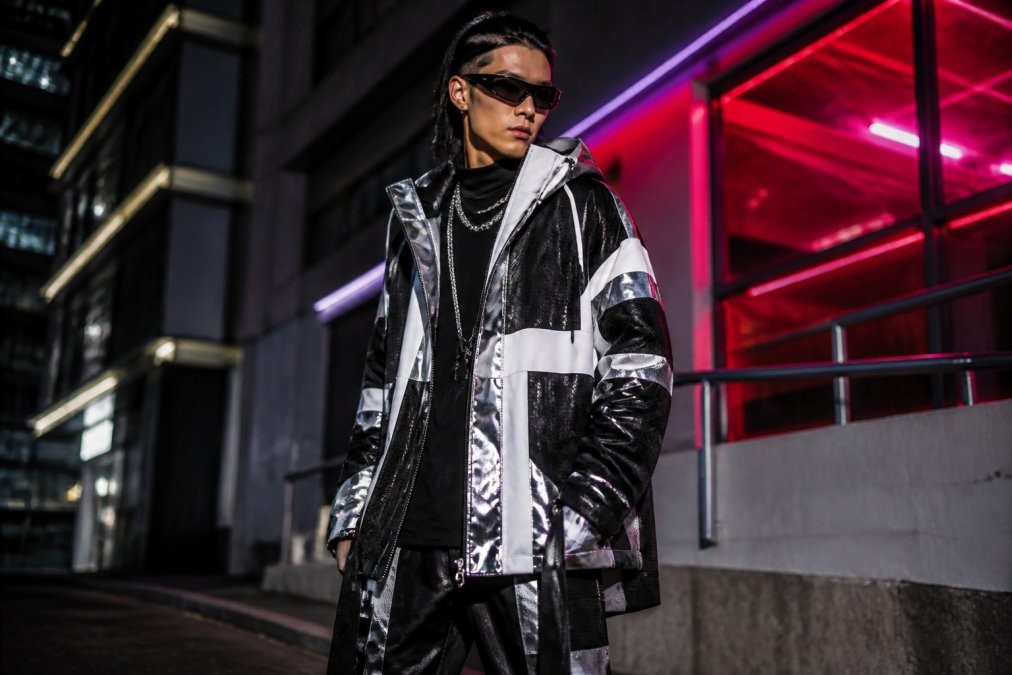
Electronic and Futuristic Soundscapes
Electronic music, whether ambient, techno, house, or experimental, emphasizes precision, texture, and forward-thinking aesthetics (peer-reviewed research). The visual language centers on clean lines, unexpected materials, and a sense of movement despite stillness.
Key styling principles: Incorporate metallic fabrics, geometric shapes, and color blocking. Layers work well here because electronic production itself is layered. Think fitted silhouettes, structured jackets, and pieces with unexpected details like asymmetrical cuts or unconventional closures. Accessories matter significantly, consider futuristic eyewear, statement jewelry with angular designs, or bags with technical details.
Planet iZM's approach to electronic aesthetics draws directly from this visual language. Our sci-fi-themed streetwear pieces incorporate the precision and forward momentum that electronic music demands. Pieces like our soundscape collections capture this futuristic energy through design choices that feel intentional and considered.

Color palette: Blacks, silvers, deep blues, and accent colors like electric purple or neon green. Avoid warm, earthy tones unless you're specifically contrasting them for effect.
Hip-Hop and Streetwear Expression
Hip-hop's visual language emphasizes confidence, cultural identity, and creative freedom. Streetwear expression within hip-hop ranges from oversized silhouettes and bold branding to curated luxury mixing and statement pieces.
Key styling principles: Oversized fits, layering, and visible branding are foundational. However, the sophistication comes from intentional mixing, pairing high-end pieces with accessible streetwear, or vintage finds with contemporary drops. Graphics matter: logos, text, and imagery communicate directly. Accessories like chains, caps, and kicks are essential elements, not afterthoughts.
The cultural specificity of hip-hop fashion means authenticity matters. You're not adopting a costume, you're engaging with a legitimate artistic and cultural tradition. Respect that by understanding the pieces you're wearing and why they matter within hip-hop's visual history.
Alternative and Avant-Garde Aesthetics
Alternative music, encompassing indie, experimental, post-punk, and art-rock traditions, embraces rejection of mainstream aesthetics. The visual language often feels deliberately unconventional, mixing periods, styles, and unexpected materials.
Key styling principles: Asymmetry, texture mixing, and deliberate "wrongness" are features, not bugs. Pair delicate pieces with heavy ones. Mix formal with casual. Incorporate unexpected materials like leather with lace, or structured tailoring with ripped, distressed elements. Vintage and thrifted pieces work exceptionally well here because they carry history and individuality.
The avant-garde approach allows for genuine experimentation. You're building an aesthetic that's distinctly yours rather than following a predetermined template. This requires confidence and willingness to break conventional styling rules.
Step 3: Selecting Music-Inspired Streetwear That Reflects Your Sound
Once you understand your musical identity and genre-specific aesthetics, the next step is curating pieces that embody these principles.
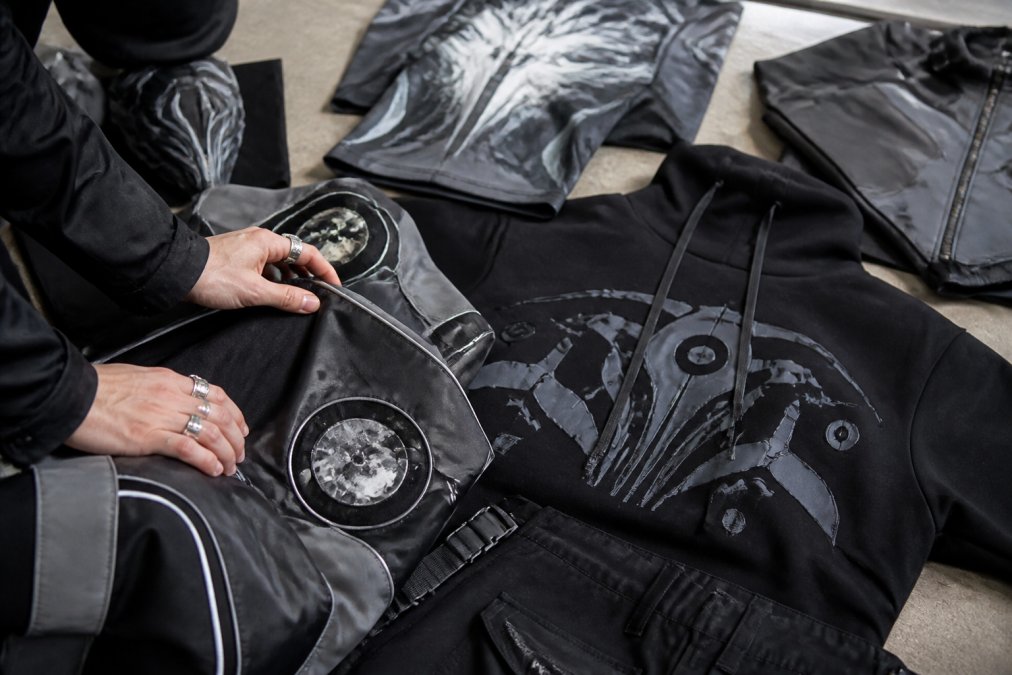
Quality matters significantly more than quantity. A single well-chosen piece that genuinely reflects your musical identity will serve you better than a closet full of generic options. Look for streetwear that demonstrates intentional design choices: unexpected material combinations, thoughtful color palettes, and details that suggest creative direction.
Consider pieces that incorporate musical elements directly, graphic designs referencing specific genres, soundwave patterns, or artist collaborations. However, avoid anything that feels like a costume or caricature. The strongest music-inspired streetwear works because it captures the essence of a sound without relying on obvious visual clichés.
Planet iZM's streetwear collection specifically addresses this challenge. Each piece is designed with the understanding that fashion should reflect genuine aesthetic conviction. Our sci-fi-themed apparel incorporates the futuristic, precise, and forward-thinking elements that resonate across multiple musical genres while maintaining distinctive visual identity.
Build your wardrobe strategically. Start with foundational pieces, neutral-colored basics that align with your aesthetic core. Then add accent pieces and statement items that express your musical identity more directly. This approach gives you flexibility to mix and match while maintaining coherent visual language.
Pay attention to fit and construction. Music-inspired streetwear that's poorly constructed or uncomfortable to wear will undermine your aesthetic no matter how conceptually sound it is. Quality construction ensures your pieces will last and continue to serve your style as it evolves.
STAY LOCKED IN WITH PLANET iZM →
Step 4: Using Musical Motifs and Visual Storytelling in Your Wardrobe
Musical motifs, recurring visual elements that reference sound, rhythm, or specific genres, can be powerful tools for integrating music in fashion. However, they work best when used thoughtfully rather than literally.
Soundwave graphics represent the most obvious musical motif, but they're also the most easily overdone. If you choose to use them, ensure they're part of a larger aesthetic vision rather than a standalone graphic. Pair a soundwave design with complementary pieces that reinforce the concept.
Rhythm-based patterns offer more sophisticated possibilities. Geometric patterns inspired by rhythm visualization, color sequences that mirror musical progression, or textile patterns that suggest movement and flow can all communicate musical identity without relying on explicit audio imagery.
Visual storytelling through wardrobe means each piece contributes to a larger narrative about who you are and what you listen to. This doesn't mean every item must be music-related. Rather, your complete look, the colors, silhouettes, textures, and accessories, should cohere around a recognizable aesthetic that reflects your musical taste.
Consider how your pieces interact. A futuristic jacket pairs well with precision-cut trousers and angular accessories. A vintage band tee works with distressed denim and unconventional layering. An oversized streetwear piece coordinates with fitted basics and statement kicks. These combinations aren't random, they're visual arguments about your aesthetic identity.
The strongest wardrobe storytelling involves mixing intentional references with neutral pieces that provide balance. Too many explicit references becomes overwhelming. Too many neutral pieces loses the distinctive voice you're trying to establish.
Step 5: Curating Your Look Through Futuristic Lifestyle Brands
Futuristic lifestyle brands represent a specific aesthetic philosophy: they reject conventional style hierarchies and embrace forward-thinking design. Curating your look through these brands means selecting pieces that share a common design language and ethos.
Look for brands that demonstrate consistent creative direction. The strongest futuristic lifestyle brands aren't simply chasing trends, they're building coherent visual worlds. Their pieces work together because they're designed with intentional aesthetic principles.
Planet iZM functions as both a retailer and a creative hub for this aesthetic. Beyond clothing, the brand curates a complete lifestyle experience that includes music, home goods, and wellness products. This integrated approach recognizes that how you integrate music in fashion extends beyond apparel into your entire environment and daily practice.
When selecting from futuristic lifestyle brands, prioritize pieces that genuinely align with your musical identity rather than pieces that simply look "cool" or futuristic. A piece that doesn't serve your aesthetic vision will sit unworn regardless of its quality or design merit.
Consider building relationships with specific brands rather than randomly purchasing across multiple retailers. This approach creates visual coherence because you're working within established design languages. You understand the brand's aesthetic philosophy and can make purchases with confidence that new pieces will integrate with your existing wardrobe.
Quality and sustainability matter increasingly within conscious consumer communities. Look for brands that prioritize durability and thoughtful production practices. Pieces designed to last will serve your evolving aesthetic far better than disposable fast-fashion alternatives.
Common Mistakes When Blending Music and Fashion
Several predictable mistakes undermine efforts to integrate music in fashion effectively.
Forcing literal references: The biggest mistake is assuming music-inspired fashion requires explicit audio imagery. Band logos, soundwave graphics, and music-themed prints are useful tools, but they're not the foundation. Your aesthetic should communicate your musical identity through overall visual language, not through obvious graphic references. A futuristic wardrobe doesn't need a synthesizer printed on the shirt to communicate electronic music affinity.
Ignoring fit and proportion: Conceptually sound pieces fail when the fit doesn't work for your body or lifestyle. A piece might perfectly express your aesthetic vision, but if it's uncomfortable or poorly proportioned for your frame, you won't wear it. Fit matters more than concept. Always try pieces on and consider how they'll actually function in your daily life.
Overcrowding your aesthetic: Attempting to reference multiple genres or styles simultaneously creates visual confusion rather than coherent expression. Your wardrobe should have a clear aesthetic core, even if you listen to diverse music. Trying to express every genre you enjoy through clothing results in a look that feels scattered rather than intentional.
Treating music-inspired fashion as costume: The strongest music-fashion integration comes from genuine personal connection, not from adopting a predetermined aesthetic template. You're not trying to look like a stereotype of a genre fan. You're expressing your authentic musical taste through visual language. This distinction matters significantly for how your look reads to others.
Neglecting quality and construction: Budget-conscious choices make sense, but extremely cheap pieces undermine even the strongest aesthetic vision. Poor construction, cheap materials, and uncomfortable fits will sabotage your look. Invest in quality basics and key pieces, then supplement with more affordable accent items.
Ignoring personal context: Your music-inspired aesthetic should work within your actual life. If you work in a conservative environment, you might need to adapt your expression for professional settings while maintaining your aesthetic in personal time. This isn't compromising your identity, it's being realistic about context.
Conclusion
Integrating music in fashion creates a powerful tool for authentic self-expression. When you understand your musical identity, learn how different genres communicate visually, and deliberately select pieces that reflect your aesthetic core, your wardrobe becomes a genuine expression of who you are rather than a collection of random items.
Planet iZM recognizes this connection through every aspect of our brand. From our sci-fi-themed streetwear that captures futuristic sonic energy to our integrated music and lifestyle content, we're built on the principle that fashion and music are inseparable expressions of cultural identity. Our curated collections, including pieces designed specifically for those seeking to align their visual aesthetic with their musical taste, make it easier to build a wardrobe that genuinely reflects your sound.
Stay locked in with Planet iZM and explore how our exclusive streetwear, lifestyle accessories, and immersive brand experience can support your journey toward authentic aesthetic expression. Discover soundscapes like Take 2 and Flowtation Device Official MP3 that deepen your connection to music-inspired style, or explore our complete collection of futuristic apparel designed for those who refuse to compromise on creative vision.
Frequently Asked Questions
Q: How does music influence fashion choices?
A: Music creates an emotional and visual framework that shapes how you dress. Genre-specific aesthetics, from electronic's sleek minimalism to hip-hop's bold streetwear, provide a blueprint for color palettes, silhouettes, and attitude. When you align your wardrobe with the music you love, your clothing becomes an extension of your creative expression and cultural identity. This symbiotic relationship between sound and style helps you build outfits that feel authentic to who you are.
Q: What's the best way to build a wardrobe based on music genres?
A: Start by identifying your primary musical influences and their visual signatures. Research the stage presence and fashion choices of artists in that genre. Then select foundational pieces, basics in your genre's signature colors, before layering in statement pieces that reflect musical motifs. For example, electronic music fans might prioritize metallic fabrics and geometric cuts, while hip-hop enthusiasts could focus on oversized silhouettes and bold branding. Mix curated pieces from music-inspired streetwear brands with timeless basics to create a cohesive wardrobe.
Q: How can I express my musical identity through clothing without looking costumey?
A: The key is subtlety and intentionality. Instead of literal band t-shirts, choose pieces that capture the aesthetic philosophy of your favorite music, color palettes, fabric textures, and silhouettes that echo the genre's energy. Layer pieces thoughtfully so musical references feel integrated rather than forced. Invest in quality basics that anchor your look, then add genre-specific statement pieces strategically. This approach creates an authentic personal brand that reflects your taste without appearing as a costume.
Q: Where can I find music-inspired streetwear that actually matches my style?
A: Futuristic lifestyle brands like Planet iZM specialize in sci-fi-themed streetwear designed for individuals seeking to align music, fashion, and personal aesthetic. Look for brands that offer exclusive, curated pieces with intentional design philosophy rather than generic music merchandise. Planet iZM's collection combines premium urban apparel with soundscapes like 'Take 2' and 'The iZM Manifest' that deepen the music-fashion integration. Seek out brands that understand creative direction and offer pieces you'd wear regardless of the music connection, that's the mark of authentic music-inspired fashion.
This article was written using GrandRanker