


Table of Contents
- Demobaza and Scififantasy: Core Brand Identities
- Design Language and Visual Identity
- Target Audience and Subculture Alignment
- Product Range and Material Quality
- How to Style Techwear from Both Brands
- Dystopian Fashion Brands: Pricing and Accessibility
- Sustainability and Ethical Manufacturing
- Community, Team Influence, and Brand Evolution
- Frequently Asked Questions
Last Updated: September 1, 2026
Demobaza and Scififantasy: Core Brand Identities
Demobaza and Scififantasy represent opposing visions of futuristic apparel: one rooted in skate culture and rider-driven design, the other in high-fashion dystopian aesthetics. Both command loyal followings, yet their approaches to material quality, pricing, and design philosophy diverge significantly.
Demobaza's Design Philosophy and Aesthetic
Demobaza was born from skateboarding culture, prioritizing function as the foundation of aesthetic integrity. Their silhouettes are oversized yet intentional, with cargo pockets, utility straps, and technical construction nodding to workwear and military heritage. The color palette skews toward muted tones: blacks, grays, khakis, and occasional neon.
What distinguishes Demobaza is their commitment to rider-driven design. The team collaborates directly with skaters to test garments in real conditions, reinforcing seams where bodies bend and positioning pockets where hands naturally reach. The brand's design language acknowledges its cultural references without irony, they're building functional gear that happens to look futuristic.
The archive sale model has become central to Demobaza's identity. Limited releases create scarcity, and past seasons become collectible. This approach appeals to those who view fashion as cultural participation rather than seasonal consumption.
Scififantasy's Approach to Dystopian Fashion
Scififantasy takes the opposite path: high-fashion interpretation of dystopian imagery. Their aesthetic is deliberately post-apocalyptic, with exaggerated silhouettes, dramatic color blocking, and emphasis on visual impact. Where Demobaza whispers technical sophistication, Scififantasy announces itself loudly.
This brand operates within a luxury framework. Pricing reflects positioning as premium apparel rather than functional streetwear. Each season refines a recognizable visual identity rather than pivoting toward new territories. Scififantasy garments are statement pieces designed to be noticed and discussed, appealing to fashion-forward individuals who view clothing as wearable art.
The manufacturing process emphasizes aesthetic refinement through specialized mills, matte finishes, unexpected textures, and intentional material combinations.
Design Language and Visual Identity
Both brands employ silhouette and material as primary design languages, but speak different dialects. Demobaza's silhouettes are grounded in human movement, drop-shoulder construction, articulated sleeves, and strategic panel placement accommodating real bodies in motion. Fabrics are chosen for performance: water-resistant nylons, technical blends, and materials that age gracefully.
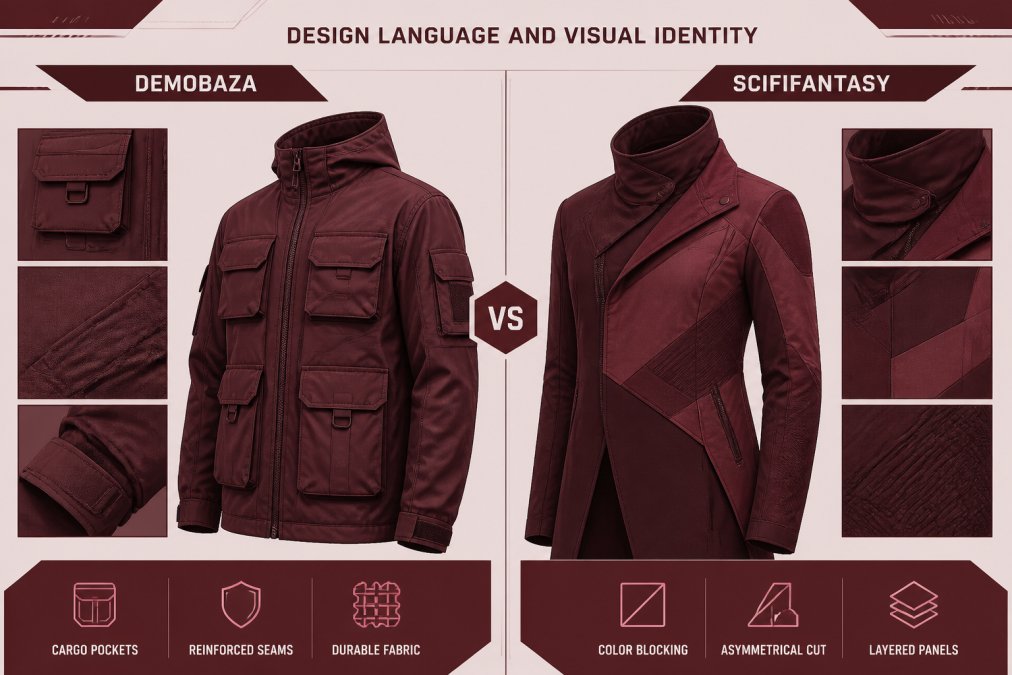
Scififantasy prioritizes architectural form with exaggerated volumes, unexpected asymmetries, and design elements emphasizing visual drama. Material selections emphasize surface quality: glossy finishes, reflective elements, and textures that catch light.
Both brands use limited releases strategically. Demobaza's archive model creates cultural depth where past seasons remain relevant and collectible. Scififantasy's limited drops generate hype and exclusivity, positioning each release as a cultural moment.
Target Audience and Subculture Alignment
Demobaza attracts the skate community and those embedded in underground streetwear culture. The brand's audience values authenticity and functional design, appreciating transparency about manufacturing and material choices. Demobaza followers tend to be early adopters and archive collectors.
Scififantasy's audience skews toward fashion enthusiasts drawn to avant-garde aesthetics. These customers view fashion as cultural expression and artistic statement, willing to pay premium prices for distinctive design and less concerned with functional specifications than visual impact.
The subculture alignment differs fundamentally. Demobaza represents insider knowledge, wearing the brand signals participation in skate culture and underground fashion communities. Scififantasy represents aspirational futurism, signaling alignment with high-fashion dystopian aesthetics.
For those seeking community-driven merchandise with genuine technical depth, Planet iZM offers comparable commitment to design integrity. Our sci-fi-themed streetwear apparel blends futuristic elements with functional urban fashion, appealing to individuals demanding both aesthetic distinctiveness and wearable sophistication.
Product Range and Material Quality
Demobaza's product range centers on outerwear and technical garments. Their jackets, anoraks, and bombers demonstrate consistent attention to construction detail. Seams are taped, zippers are industrial-grade, and fabric selections prioritize longevity. Limited quantities mean inventory moves quickly and secondary market prices reflect demand.
Material quality reveals Demobaza's utilitarian philosophy. They specify fabrics with performance metrics: water pressure resistance measured in millimeters, breathability ratings, and durability certifications (iso.org). The Waterproof Nylon Anorak Jacket exemplifies this approach with 100% nylon construction, interior PU coating, and 10,000 mm water pressure resistance rating (astm.org).

Scififantasy's range is broader, encompassing outerwear, base layers, and accessories. The brand explores experimental silhouettes and material combinations, with quality consistent but emphasis on aesthetic innovation rather than performance metrics. Fabrics are selected for visual properties, how they drape, how light interacts with their surface, how they contribute to overall silhouette.
Both brands maintain tight quality control through limited production runs, ensuring each piece meets standards before reaching consumers.
How to Style Techwear from Both Brands
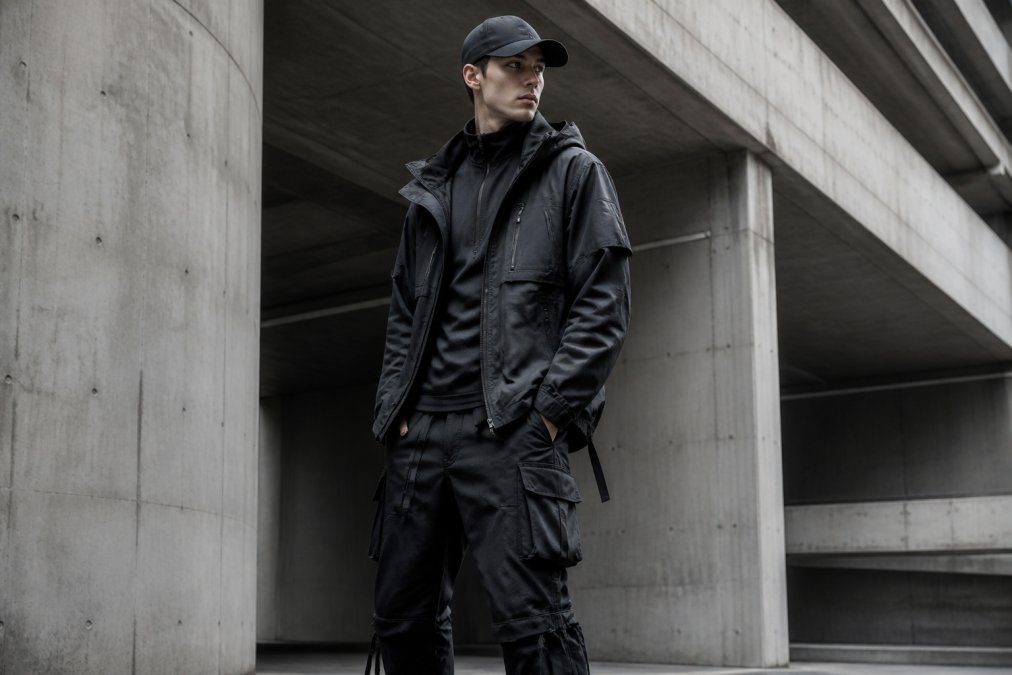
Demobaza pieces function as building blocks for layered, functional outfits. Start with a fitted base layer, then add their signature oversized outerwear. The Independent Trading Co. EXP52BMR Lightweight Bomber Jacket ($69.99) pairs naturally with cargo pants and technical footwear. Styling Demobaza means embracing utility: visible seams, functional pockets, and material choices reading as intentional.
STAY LOCKED IN WITH PLANET iZM →

Accessorizing Demobaza requires restraint. Technical bags, minimalist jewelry, and performance footwear complement the aesthetic. Every element should justify its presence through performance or design integrity.
Scififantasy styling operates differently. These pieces are statement garments anchoring outfits rather than serving as foundations. A dramatic Scififantasy jacket worn with simple black pants and minimal accessories creates maximum impact. Color coordination matters more, with bold color blocking meaning additional pieces should either complement or deliberately clash.
| Styling Approach | Demobaza | Scififantasy | Best For |
|---|---|---|---|
| Layering | Functional foundation for stacking | Statement piece worn alone | Functional vs. bold |
| Color Palette | Muted, utility-focused | Bold, architectural blocking | Subtle vs. dramatic |
| Accessorizing | Minimal, performance-driven | Coordinated, intentional | Restraint vs. styling |
| Versatility | Integrates with existing pieces | Demands wardrobe coordination | Flexible vs. transformative |
| Footwear | Technical, performance-oriented | Fashion-forward, complementary | Function vs. aesthetics |
Dystopian Fashion Brands: Pricing and Accessibility
Demobaza's pricing reflects production scale and material quality. Most outerwear pieces fall in the $70-$150 range, positioning the brand as premium but accessible. The Waterproof Nylon Anorak Jacket costs $89.99, justified by construction quality and material specifications. Limited production keeps inventory scarce, with secondary market prices often exceeding retail.
Scififantasy commands higher price points, typically ranging from $150-$400+ for statement pieces. Fewer pieces are produced per season, and exclusivity is monetized. For collectors and fashion enthusiasts with higher budgets, Scififantasy represents investment in distinctive design.
Demobaza remains more accessible due to lower entry price points and broader production volumes. Scififantasy requires significant financial commitment or patience hunting secondary market pieces. Neither brand offers substantial discounts, both maintaining price integrity through scarcity.
For those seeking premium sci-fi-themed streetwear at more accessible price points, Planet iZM's offerings like the Neon Cityscape Graphic Tee ($59.99) and Independent Trading Co. EXP52BMR Lightweight Bomber Jacket ($69.99) deliver comparable design sophistication without secondary market markup.

Sustainability and Ethical Manufacturing
Demobaza's sustainability approach is implicit rather than explicit. The brand's emphasis on durability and timeless design means garments are intended for long-term wear, reducing waste through longevity. Limited production runs minimize overstock and waste.
Scififantasy similarly prioritizes durability, though with less emphasis on utilitarian longevity and more on aesthetic timelessness. Manufacturing standards are maintained through quality control, though specific certifications are less prominently featured.
Both brands manufacture internationally, meaning supply chains span multiple regions. Neither has achieved carbon-neutral operations or extensive circular economy integration.
Planet iZM's Independent Trading Co. EXP52BMR Lightweight Bomber Jacket meets OEKO-Tex Standard 100 certification and is manufactured in WRAP-certified facilities, demonstrating commitment to both environmental responsibility and ethical labor practices (oeko-tex.com).
Community, Team Influence, and Brand Evolution
Demobaza's community is built on skateboarding culture and underground streetwear networks. The brand's team includes riders and athletes who inform design decisions directly. Team sponsorships and collaborations reinforce this positioning. Brand evolution is incremental and grounded, with each collection reflecting real-world performance data and community input.
Scififantasy's community is more curated and aspirational. The brand cultivates an aesthetic community around dystopian futurism rather than a functional subculture. Collaborations tend toward art and design partnerships. Brand evolution is more visionary, with each season representing a creative statement from the design collective.
Both brands maintain strong visual identities that followers recognize instantly. Demobaza's identity is coherent because it's rooted in functional requirements. Scififantasy's identity is distinctive because it's driven by artistic vision.
Choosing between Demobaza and Scififantasy depends on whether you prioritize functional sophistication or bold aesthetic statement. Demobaza delivers technical design rooted in skate culture, gear that performs while looking futuristic. Scififantasy offers high-fashion dystopian interpretation, statement pieces that command attention and define outfits.
For those seeking curated, movement-based merchandise that balances design integrity with accessibility, Planet iZM provides an alternative honoring both aesthetic distinctiveness and functional quality. Our sci-fi-themed streetwear apparel delivers premium futuristic design without secondary market premiums. STAY LOCKED IN WITH PLANET iZM and discover how immersive brand experience translates into wearable sophistication.
Frequently Asked Questions
Q: Is Demobaza considered a luxury fashion brand?
A: Demobaza positions itself at the premium end of dystopian fashion brands, with pricing and production quality that reflect a luxury positioning. The brand emphasizes avant-garde design and limited releases, which commands higher price points than mainstream streetwear. However, whether it qualifies as true luxury depends on your definition, it occupies the upper-tier streetwear space rather than traditional high fashion.
Q: What is the design philosophy behind Sci-Fi Fantasy?
A: Sci-Fi Fantasy builds its design language around post-apocalyptic and cyberpunk aesthetics, emphasizing visual impact and artistic expression. The brand creates designs that blend experimental silhouettes with futuristic elements, resulting in apparel that works as wearable art. Their design philosophy prioritizes aesthetic innovation and a distinctive visual identity across collections.
Q: How do Demobaza and Sci-Fi Fantasy differ in their target audiences?
A: Demobaza attracts the skate community and those embedded in underground streetwear culture, valuing authenticity and functional design. Sci-Fi Fantasy's audience skews toward fashion enthusiasts drawn to avant-garde aesthetics, who view fashion as cultural expression and artistic statement. Demobaza appeals to subculture members seeking exclusive, archive-quality pieces; Sci-Fi Fantasy speaks to those wanting distinctive, high-fashion dystopian interpretations.
Q: What makes dystopian fashion brands different from regular streetwear?
A: Dystopian fashion brands like Demobaza and Sci-Fi Fantasy build entire aesthetics around post-apocalyptic, cyberpunk, and futuristic visual languages. They use specific silhouettes, material choices, and design details, technical fabrics, exaggerated proportions, utilitarian pockets, to create a cohesive aesthetic. Regular streetwear focuses on trends and casual urban wear; dystopian brands create immersive design worlds with intentional, self-aware styling.
This article was written using GrandRanker