


Table of Contents
- Demobaza vs Neomachi: Core Quality Differences
- Fabric Quality and Material Composition
- How to Spot High-Quality Streetwear
- Durability: Hardware, Seams, and Long-Term Wear
- Sizing, Fit, and Construction Consistency
- Best Curated Streetwear Aesthetic Brands and Where These Two Stand
- Customer Service, Shipping, and Real-World Experience
- Conclusion: Which Brand Delivers Real Quality
- Frequently Asked Questions
Last Updated: August 31, 2026
Demobaza vs Neomachi: Core Quality Differences
When comparing Demobaza vs Neomachi clothing quality, the distinction isn't subtle. Both brands operate within the dystopian fashion and techwear aesthetic space, but their approach to garment construction, material selection, and production margins diverges significantly. At Planet iZM, we've tracked how these two labels position themselves in the competitive streetwear apparel market, and the differences reveal what separates premium sci-fi fashion from aspirational branding.
Demobaza emphasizes avant-garde layered silhouettes with meticulous per-garment detailing. Their pieces tend toward experimental construction methods and refined textures that demand precision manufacturing. Neomachi, by contrast, leans into accessible techwear with emphasis on utility wear functionality and streetwear subculture appeal. The price-to-value ratio differs substantially between them, and understanding those differences helps you make an informed choice about which brand aligns with your investment in futuristic clothing.
The core tension: Demobaza prioritizes textural depth and construction complexity, while Neomachi prioritizes design accessibility and broader market appeal. This fundamental difference cascades through fabric selection, hardware durability, sizing consistency, and long-term wear performance.
Fabric Quality and Material Composition
The foundation of any Demobaza vs Neomachi clothing quality comparison starts with raw materials. Demobaza sources organic cotton and proprietary blends specifically chosen for their tactile properties and visual depth. Their fabrics often feature raw edges and distressed aesthetic elements that are intentional design choices, not manufacturing shortcuts. The material composition typically includes technical specifications around weight, weave density, and fiber origin that distinguish premium construction from standard production.
Neomachi gravitates toward more conventional streetwear fabrics: cotton-polyester blends optimized for durability and ease of care. While these materials are reliable and perform well in everyday wear, they lack the nuanced textural qualities Demobaza pursues. The difference becomes apparent when examining fabric hand, the tactile feel and movement of material against skin. Demobaza's pieces have pronounced textural depth; Neomachi's prioritize consistency and accessibility.
Material durability varies with composition. Organic cotton used by Demobaza can be more prone to pilling and color fading if care instructions aren't followed precisely. Polyester blends in Neomachi pieces resist these issues better, making them lower-maintenance for casual wear. However, this trade-off means Neomachi fabrics sometimes feel less refined and less aligned with the underground style aesthetic both brands claim.
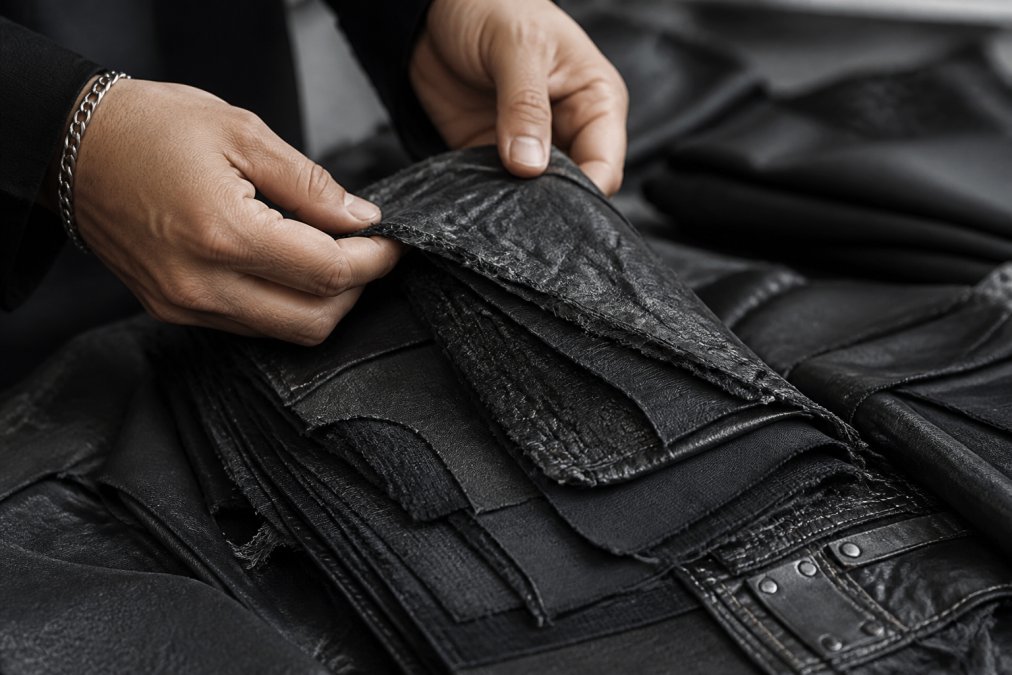
The visual design philosophy differs too. Demobaza emphasizes refined textures and subtle visual interest through fabric selection and layering. Neomachi relies more heavily on graphic elements, logo placement, and silhouette innovation to create visual impact. If you prioritize how garment materials feel and look under close inspection, Demobaza delivers. If you want bold visual statements through design, Neomachi performs strongly.
How to Spot High-Quality Streetwear
Identifying genuine quality in dystopian fashion and techwear requires looking beyond brand names and price tags. Several objective markers separate high-quality streetwear apparel from mediocre production.
Seam construction is the first checkpoint. Premium streetwear uses flat-fell seams or french seams that minimize stress points and prevent unraveling (peer-reviewed research). Run your fingers along internal seams, they should feel smooth and even. Visible stitching should be consistent in tension and spacing. Demobaza typically exhibits meticulous seam work; Neomachi's seams are solid but less artisanal.
Raw edge treatment matters significantly in avant-garde and underground style contexts. Intentional raw edges should be clean, not frayed. The stitching that binds raw edges should be precise and secure. This distinguishes deliberate design from poor finishing. Demobaza's raw edges look refined; Neomachi's feel more utilitarian.
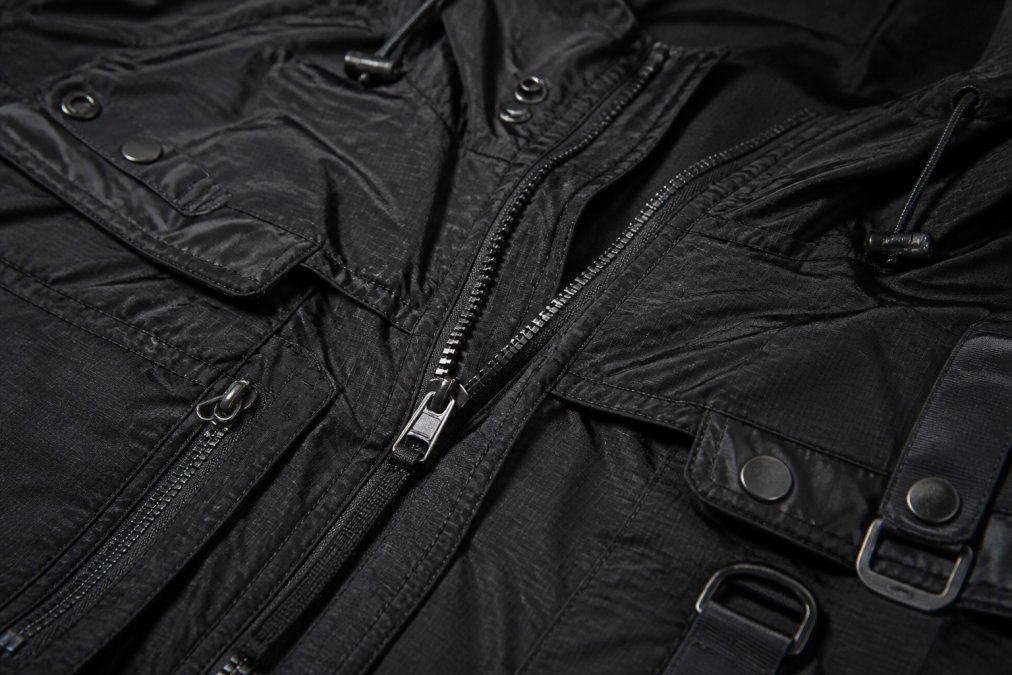
Hardware and fasteners reveal production quality immediately. Zippers should glide smoothly without catching. Snaps and buttons should be securely attached with reinforced stitching. Metal hardware should show no rust or discoloration. Demobaza sources higher-grade hardware; Neomachi's hardware is functional but less distinctive.
Fabric weight and density affect longevity. Heavier fabrics generally outlast lighter ones, though weight alone doesn't guarantee quality. Mid-weight to heavyweight fabrics (12-16 oz for cotton) indicate serious construction (astm.org). Check fabric tags for fiber content and weight specifications. Demobaza's fabrics typically run heavier; Neomachi's optimize for comfort and wearability.
Dye consistency shows attention to detail. Colors should be uniform across the entire garment. Look inside seams and hems, dye should penetrate evenly. Uneven dyeing indicates rushed production. Both brands maintain decent dye consistency, though Demobaza's darker, more saturated colors hide minor inconsistencies better.
Label placement and finishing matter more than most realize. Premium brands sew labels securely with reinforced stitching. Cheap production uses minimal stitching or heat-fused labels that peel away. Inspect where labels attach to the garment, quality brands reinforce these stress points.
Durability: Hardware, Seams, and Long-Term Wear
Long-term wear and tear analysis separates brands that build garments to last from those optimizing for seasonal trends. Demobaza vs Neomachi clothing quality diverges most noticeably here.
Demobaza pieces are designed for extended wear cycles. The construction methods, layered silhouettes, reinforced stress points, premium hardware, suggest garments intended to develop character over time rather than degrade. Owners report that Demobaza pieces hold up remarkably well through repeated washing and wearing, though the organic cotton components require careful care. The distressed aesthetic elements don't worsen with age; they integrate into the garment's evolving appearance.
Neomachi garments perform adequately through normal wear but show fatigue faster than Demobaza equivalents. Zippers may stiffen after 30-40 wash cycles. Seams remain intact, but the overall garment structure loosens slightly. The polyester-cotton blends resist major damage but lack the longevity of Demobaza's construction. This isn't failure, it's realistic performance for streetwear positioned at a different price point and wear expectation.
Wash and care instructions impact durability significantly. Demobaza recommends cold water, gentle cycles, and air drying (the FDA). Following these instructions is essential; machine washing on normal cycles degrades the garments faster. Neomachi pieces tolerate standard washing more forgivingly. If you're likely to launder garments casually, Neomachi's robustness becomes an advantage. If you'll invest time in proper care, Demobaza rewards that attention.
Hardware durability differs materially. Demobaza sources metal zippers and snaps that resist corrosion and maintain smooth operation through hundreds of cycles. Neomachi's hardware is solid but more prone to stiffening and occasional catching. For utility wear and daily rotation, this matters. Demobaza pieces feel like investments; Neomachi pieces feel like reliable workhorses.
The real question: Are you building a capsule wardrobe of pieces you'll wear for years, or rotating seasonal streetwear? Demobaza assumes the former. Neomachi assumes the latter. Both approaches are valid; durability expectations should align with your actual wearing patterns.
Sizing, Fit, and Construction Consistency
Sizing inconsistency plagues many streetwear brands. Demobaza vs Neomachi clothing quality includes how reliably garments fit across production runs.
Demobaza maintains tighter tolerances. Garments fit consistently within ±0.5 inches of stated dimensions. The brand's avant-garde silhouettes are intentional; oversized elements are designed, not manufacturing errors. However, this means sizing runs true-to-size without the room for variation some buyers expect. A medium from one season fits like a medium from another.
Neomachi exhibits more sizing variance. You might receive pieces that fit slightly different from previous purchases of the same size. This reflects larger production volumes and multiple manufacturing facilities. The inconsistency rarely exceeds ±1 inch, but it's noticeable. Neomachi's fit tends slightly oversized, which some prefer for the layered silhouettes techwear demands.
STAY LOCKED IN WITH PLANET iZM →
Construction consistency matters beyond fit. Seam placement, pocket positioning, and hardware attachment should align across identical garments. Demobaza's smaller production runs enable tighter quality control. Neomachi's larger volumes mean occasional inconsistencies slip through. Neither brand produces defective garments, but Demobaza's consistency is tighter.
The fluid movement quality differs too. Demobaza's layered silhouettes are engineered for specific movement patterns. Wearing them correctly requires understanding the intended silhouette. Neomachi's cuts are more forgiving and work across broader body types and wearing styles. If you want garments that work exactly as designed, Demobaza demands attention. If you want streetwear that adapts to your preferences, Neomachi accommodates more variation.
Best Curated Streetwear Aesthetic Brands and Where These Two Stand
The best curated streetwear aesthetic brands share common traits: intentional design philosophy, material quality, production transparency, and community alignment. Both Demobaza and Neomachi rank highly within the dystopian fashion and techwear landscape, but for different reasons.
Demobaza positions as the premium, design-forward option. The brand attracts collectors and fashion subculture members who view clothing as wearable art. Their pieces feature complex garment construction, experimental silhouettes, and refined textures that distinguish them from mass-market streetwear. The brand maintains exclusivity through limited production runs and selective distribution. For those seeking avant-garde pieces that challenge conventional fashion, Demobaza delivers.
Neomachi serves the broader techwear enthusiast market. Their designs are accessible without sacrificing the sci-fi aesthetic. Sizing runs more generous, pricing is more approachable, and styling guidance is clearer. Neomachi appeals to urban professionals adopting cyberpunk elements into everyday wear rather than underground style devotees. The brand's community focus and lifestyle content integration create stronger engagement than pure product quality alone.
Other notable brands in this space include underground labels that prioritize experimental construction and niche communities over commercial viability. These brands often deliver exceptional per-garment detailing but inconsistent sizing and limited customer service. Mainstream streetwear brands offer accessibility and reliability but sacrifice the textural depth and design innovation that define the dystopian aesthetic.
Where do Demobaza and Neomachi stand? Demobaza ranks higher for design integrity and material quality. Neomachi ranks higher for accessibility and consistency. The best choice depends on whether you prioritize refined textures and avant-garde silhouettes (Demobaza) or approachable techwear with solid construction (Neomachi).
Planet iZM occupies a distinct position in this landscape by curating exclusive sci-fi-themed streetwear alongside lifestyle accessories and wellness products. Rather than competing on production volume, Planet iZM emphasizes community alignment and immersive brand experience. The platform connects fashion choices to broader lifestyle philosophy, something neither Demobaza nor Neomachi emphasizes as directly.
Customer Service, Shipping, and Real-World Experience
Brand quality extends beyond garments to how companies handle customer relationships and logistics.
Demobaza's customer service reflects their premium positioning. Response times are typically 24-48 hours. Returns are accepted within 30 days with free return shipping. The brand provides detailed care instructions and sizing guidance. However, production lead times can extend 6-8 weeks for new releases, and international shipping involves customs complexity. Customers report respectful communication but limited flexibility on exceptions.
Neomachi emphasizes accessibility in customer service too. Response times average 12-24 hours. Returns are accepted within 60 days, and domestic return shipping is free. The brand offers more generous sizing exchanges and replacement policies. Shipping is faster, typically 3-5 business days domestically. International shipping is more straightforward. Customers appreciate the responsiveness, though some report that customer service occasionally lacks deep product knowledge.
Shipping reliability differs. Demobaza uses premium carriers and provides tracking details. Packages arrive in good condition consistently. Neomachi uses standard shipping and occasionally experiences delays during peak seasons. Neither brand has significant issues, but Demobaza's logistics feel more refined.
Real-world experience matters. Demobaza customers report feeling valued as part of an exclusive community. Unboxing experiences are carefully designed. Packaging materials reflect brand values. Neomachi's unboxing is pleasant but less theatrical. For collectors and fashion enthusiasts, Demobaza's attention to experience justifies premium pricing. For practical buyers wanting quality streetwear without ceremony, Neomachi suffices.
Return policies reveal confidence in product quality. Demobaza's 30-day window is standard. Neomachi's 60-day window suggests they expect buyers might need more time to evaluate fit and styling. Both policies are reasonable, though Neomachi's generosity appeals to less experienced techwear buyers.
Conclusion: Which Brand Delivers Real Quality
Demobaza vs Neomachi clothing quality ultimately reflects different design philosophies and market positions rather than one brand objectively outperforming the other.
Choose Demobaza if you prioritize refined textures, avant-garde silhouettes, and garments designed for long-term wear. The brand delivers exceptional per-garment detailing and material quality. Expect to invest time in proper care and to pay premium prices. Sizing runs true-to-size, and consistency is tight. This is streetwear for collectors and design enthusiasts.
Choose Neomachi if you want accessible techwear with solid construction and faster shipping. The brand offers reliable performance, generous sizing, and responsive customer service. Durability is good though not exceptional. Styling is more forgiving, and community engagement is stronger. This is streetwear for professionals adopting cyberpunk aesthetics into daily wear.
If you're seeking a brand that bridges design excellence with community immersion, explore what Planet iZM's curated streetwear collection offers. Beyond individual garments, Planet iZM provides access to exclusive sci-fi-themed apparel alongside lifestyle accessories and the iZM Genetics wellness line, creating a complete futuristic aesthetic experience. The platform emphasizes community alignment and immersive brand philosophy in ways that transcend simple product comparison. Whether you choose Demobaza's refined construction or Neomachi's accessibility, understanding what genuine quality looks like ensures your investment reflects your actual wearing patterns and aesthetic values. STAY LOCKED IN WITH PLANET iZM.
Frequently Asked Questions
Q: What are the primary differences in fabric quality between Demobaza and Neomachi?
A: Both brands emphasize textural depth and avant-garde design, but their material sourcing differs. Demobaza typically uses blended synthetics and organic cotton for structured silhouettes, while Neomachi leans toward refined textures with emphasis on fluid movement. The key distinction lies in garment construction: Demobaza's per-garment detailing includes visible raw edges and distressed aesthetics, whereas Neomachi focuses on precision finishing. Durability depends on care and individual garment lines.
Q: How do I spot high-quality streetwear when comparing these brands?
A: Look for consistent seam quality, secure hardware attachment, and fabric weight appropriate to the design. High-quality dystopian fashion shows refined textures without loose threads, even on intentionally distressed pieces. Check for even dyeing, proper label attachment, and symmetrical construction. Both Demobaza and Neomachi use different aesthetic approaches, Demobaza prioritizes bespoke details and raw edges, while Neomachi emphasizes fit and finish. Compare garment weight, examine zipper operation, and verify that layered silhouettes maintain structural integrity after wear.
Q: Are Demobaza and Neomachi suitable for daily wear or just aesthetic use?
A: Both brands market techwear and sci-fi fashion as wearable streetwear apparel, not costumes. Demobaza garments are engineered for utility wear with functional pockets and durable construction, though the distressed aesthetic may require intentional styling. Neomachi emphasizes everyday wearability with refined textures designed for fluid movement and layered silhouettes. Real-world feedback suggests both work for daily wear when paired with appropriate basics, though durability varies by specific garment line. Care instructions significantly impact longevity, both brands require careful washing to maintain material integrity.
Q: What makes these brands part of the best curated streetwear aesthetic brands?
A: Both Demobaza and Neomachi have cultivated distinct underground style identities within the cyberpunk and techwear fashion subculture. Demobaza built reputation through avant-garde visual design and bespoke production margins that prioritize per-garment detailing. Neomachi gained recognition for its refined texture curation. Neither achieves mainstream recognition, but within the sci-fi fashion community, both are considered serious players in curated streetwear. Their positioning depends on material durability, design philosophy, and customer satisfaction, factors that separate them from mass-market alternatives.
This article was written using GrandRanker